Fishers Island Conservancy
  • Home
  • Who We Are
    • Our Mission
    • Our History
    • Our People
    • Contact Us
  • What We Do
    • Shorebird Monitoring
    • Annual Bird Counts
    • Marine Debris Clean Up
    • Island Sentinels
    • Research and Survey Team
    • Grassland Restoration
    • Mosquito Control
    • Invasive Plant Management
  • How To Help
    • Donate
    • Join Us
  • News
  • Events
    • Calendar
Wednesday, September 2, 2026
Fishers Island Conservancy
  • Home
  • Who We Are
    • Our Mission
    • Our History
    • Our People
    • Contact Us
  • What We Do
    • Shorebird Monitoring
    • Annual Bird Counts
    • Marine Debris Clean Up
    • Island Sentinels
    • Research and Survey Team
    • Grassland Restoration
    • Mosquito Control
    • Invasive Plant Management
  • How To Help
    • Donate
    • Join Us
  • News
  • Events
    • Calendar
Fishers Island Conservancy
  • Home
  • Who We Are
    • Our Mission
    • Our History
    • Our People
    • Contact Us
  • What We Do
    • Shorebird Monitoring
    • Annual Bird Counts
    • Marine Debris Clean Up
    • Island Sentinels
    • Research and Survey Team
    • Grassland Restoration
    • Mosquito Control
    • Invasive Plant Management
  • How To Help
    • Donate
    • Join Us
  • News
  • Events
    • Calendar
Copyright 2026 - All Right Reserved
moth
FI Moths

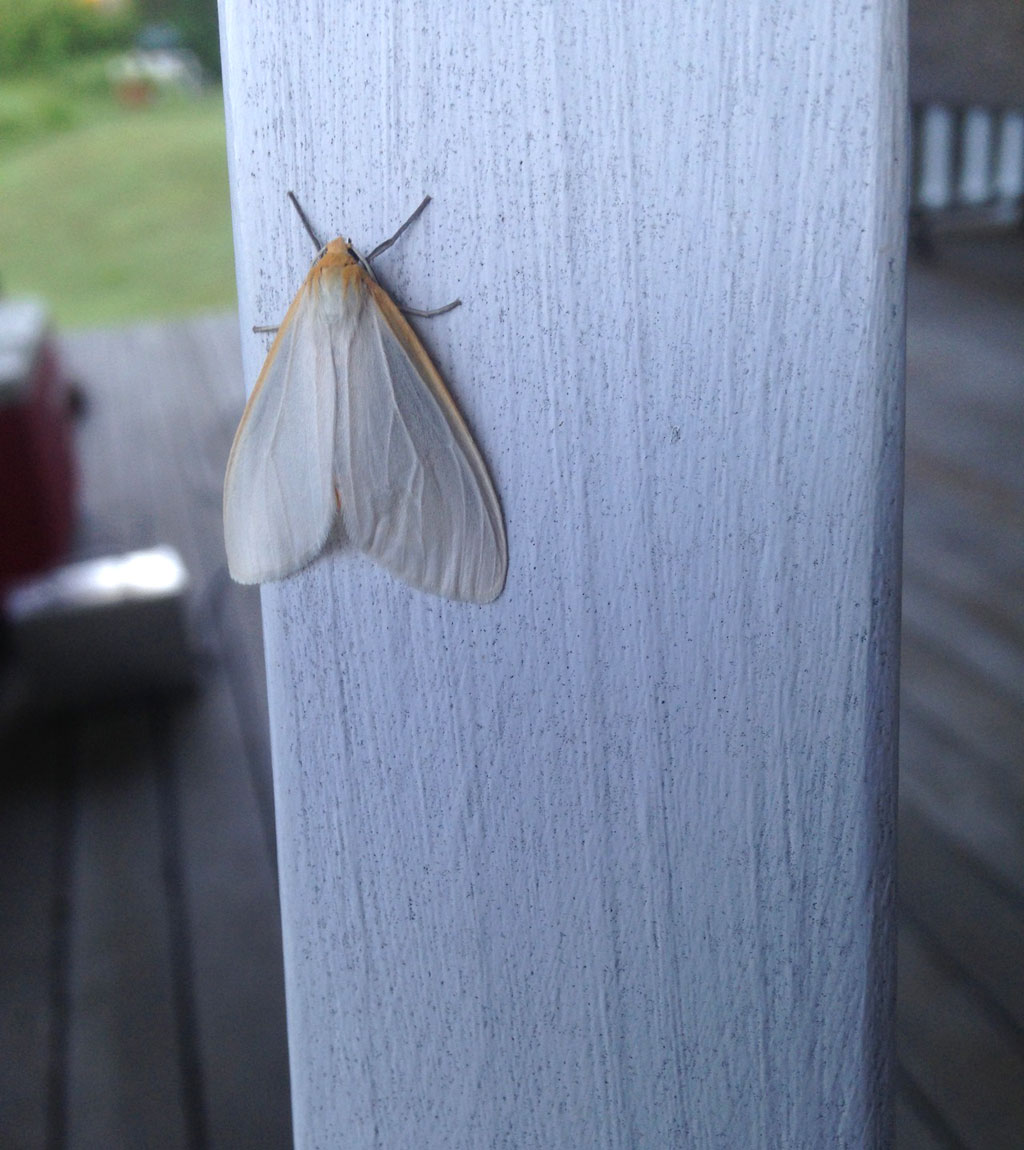
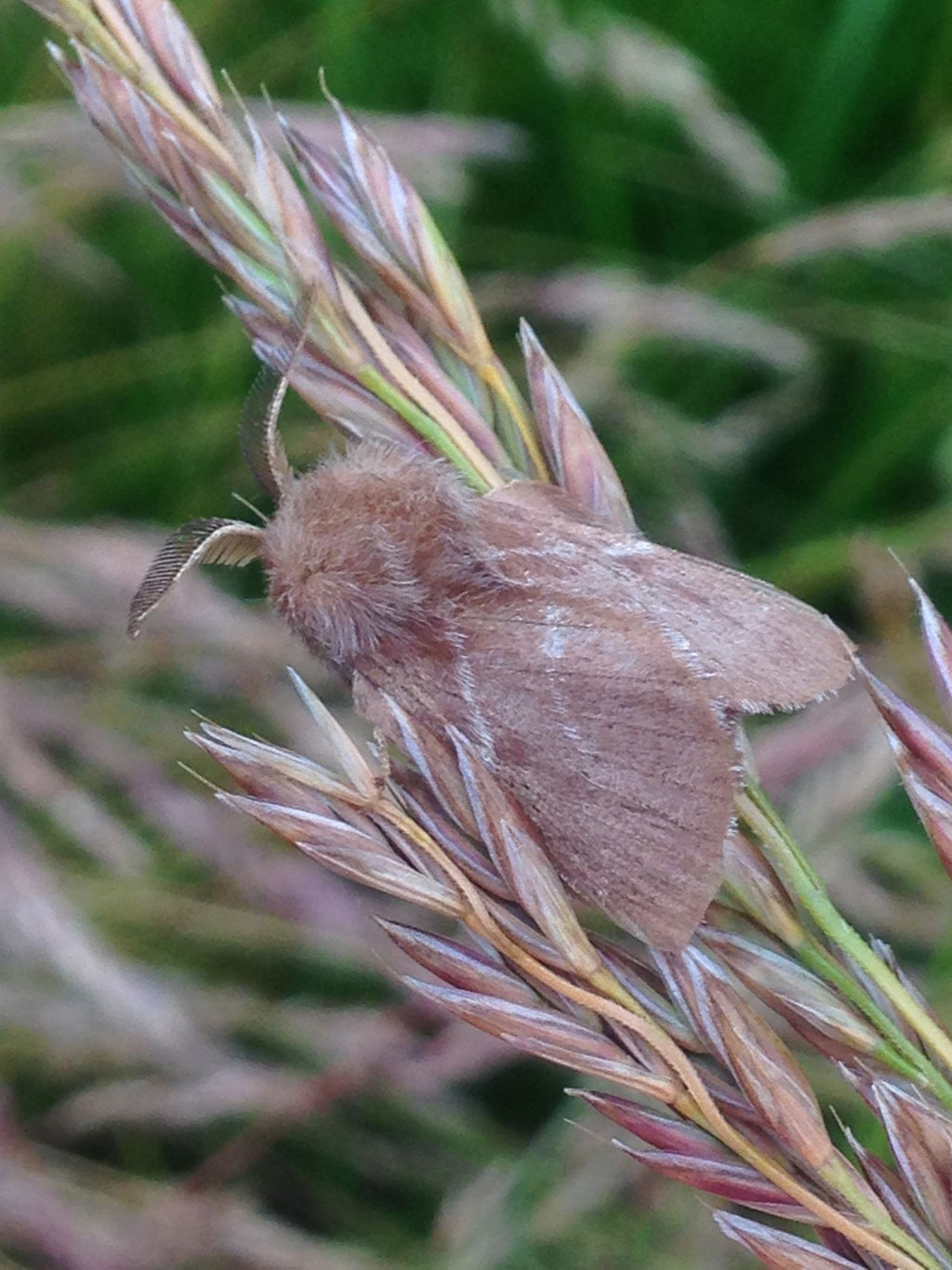
Delicate Cycnia

by Betty Ann Rubinow July 5, 2016

moth

Common name: Delicate cycnia or dogbane tiger moth, Fishers Island NY, June 2017

Scientific name: Cycnia tenera

Season: Two generations in the Northeast, with adults in late spring into June and again in the fall.

Food: Caterpillars feed on milkweeds and dogbanes, but they feed on older, mature leaves, as opposed to monarch caterpillars, which feed on younger, tender leaves.

Ecology: Although lacking stripes or spots, this moth belongs to same family as tiger moths. Males emit a “clicking” sound from their thorax for mating and also in flight. These clicks actually “jam” the echolocation of bats, preventing predators from being able to effectively find the moths.
July 5, 2016 158 views
moths
FI Moths

Eastern Tent Caterpillar

by Betty Ann Rubinow July 1, 2016

moths

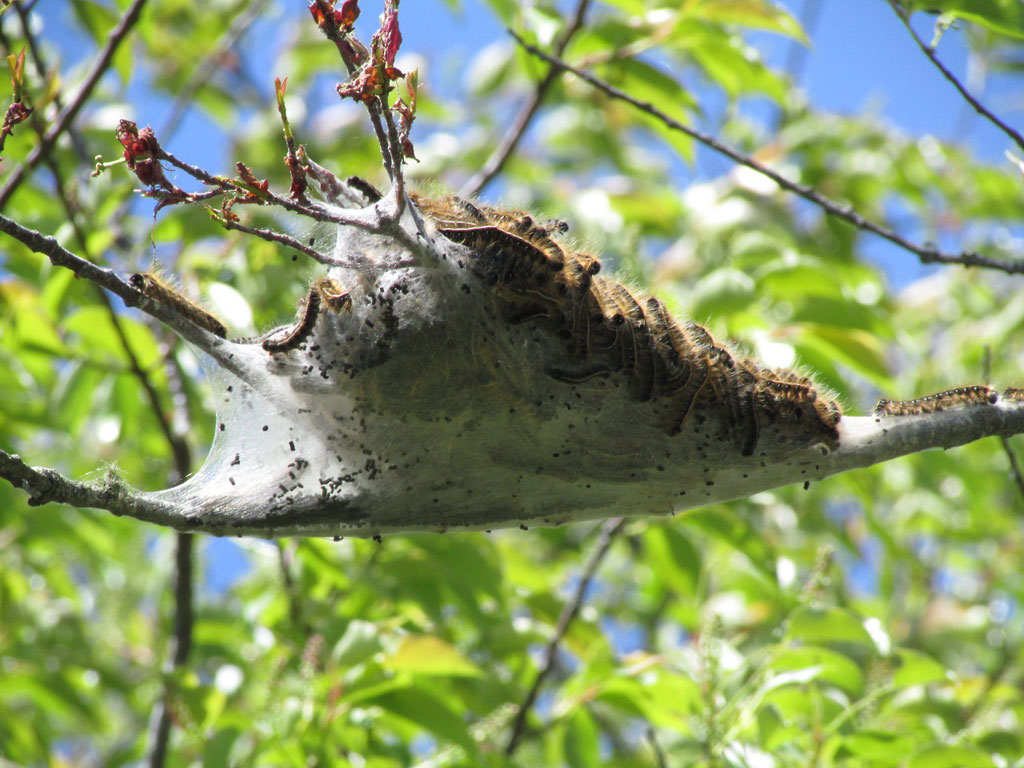
Common Name: Eastern tent caterpillar moth

Scientific Name: Malacosoma americana

Season: One generation, with caterpillars appearing first in April into late May, and adults by June.

Food: Caterpillars feed primarily on cherry trees, but may build nests on apple and crabapple as well.

Ecology*: As the name implies, the caterpillars of this moth form a silken nest in the crotch of tree branches, where caterpillars rest and molt. Caterpillars that leave the nest “scout” for leaves to feed from, dragging a trail of silk behind them that other caterpillars will follow. When the caterpillars reach their final molt, they leave the nest to pupate, and may be found several plants away from their actual host plant.

*Contrary to popular belief, a nest of tent caterpillars in your cherry tree will not outright kill the plant, and within a month’s time, trees recover. Adults produce a spongy mass of eggs on twigs of their host plant, which will overwinter.

July 1, 2016 152 views
moth nest
FI Moths

Eastern Tent Caterpillar Moth Nest

by Betty Ann Rubinow June 25, 2016

moth nest

Common Name: Eastern tent caterpillar moth

Scientific Name: Malacosoma americana

Season: One generation, with caterpillars appearing first in April into late May, and adults by June.

Food: Caterpillars feed primarily on cherry trees, but may build nests on apple and crabapple as well.

Ecology*: As the name implies, the caterpillars of this moth form a silken nest in the crotch of tree branches, where caterpillars rest and molt. Caterpillars that leave the nest “scout” for leaves to feed from, dragging a trail of silk behind them that other caterpillars will follow. When the caterpillars reach their final molt, they leave the nest to pupate, and may be found several plants away from their actual host plant.

*Contrary to popular belief, a nest of tent caterpillars in your cherry tree will not outright kill the plant, and within a month’s time, trees recover. Adults produce a spongy mass of eggs on twigs of their host plant, which will overwinter.

June 25, 2016 117 views
moth
FI Moths

Eyed Paectes

by Betty Ann Rubinow June 20, 2016

moth

Common name: Eyed paectes, Fishers Island, NY, June 2017

Scientific name: Paectes oculatrix

Season: There are multiple generations of eyed paectes in the Northeast, with adults present by April through the fall.

Food: As caterpillars, they feed exclusively on poison ivy.

Ecology: Eyed paectes hold their abdomens upward while resting, which, in this photo, makes it appear as if they are T-shaped.

June 20, 2016 130 views
moth
FI Moths

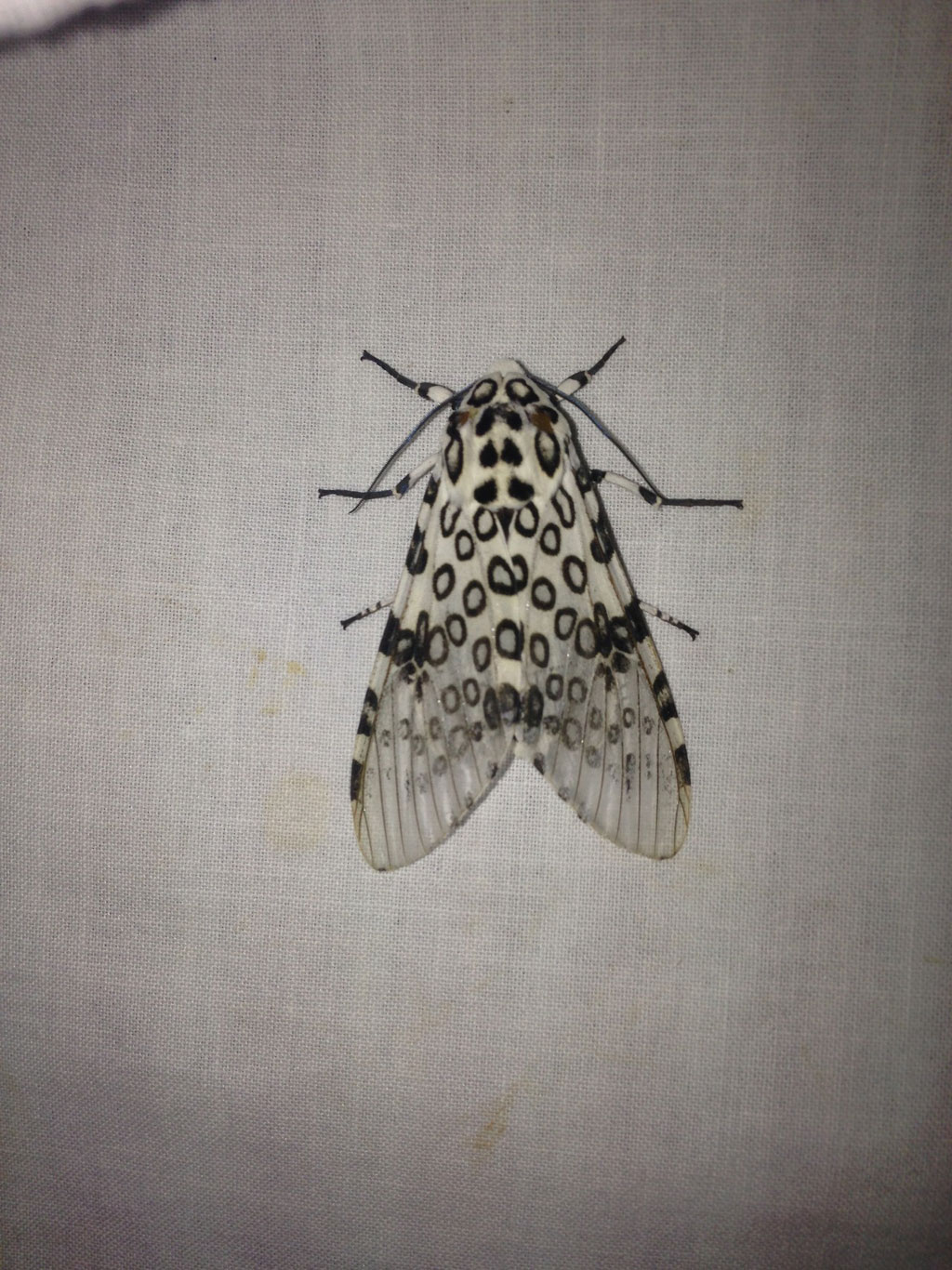
Giant Leopard Moth

by Betty Ann Rubinow June 10, 2016

moth

Common name: Giant Leopard Moth

Scientific name: Hypercompe scribonia, Fishers Island NY. June 2017.

Season: One generation a year in the Northeast, with adults in June, caterpillars through the summer and over the winter, then turn into pupae the following spring.

Food: A variety of broadleaf plants, such as dandelions and violets.

Ecology: A large moth, with a wingspan of three inches, lives up to its name, having many spots akin to a leopard. It has a beautiful metallic blue and orange abdomen hiding beneath its large wings. Mating sessions last more than 24 hours. When startled, the moth may emit yellow drops of liquid from the sides of its body. This is believed to be a defense against predators (who might taste the liquid and find the moth disgusting!).

June 10, 2016 142 views
moth
FI Moths

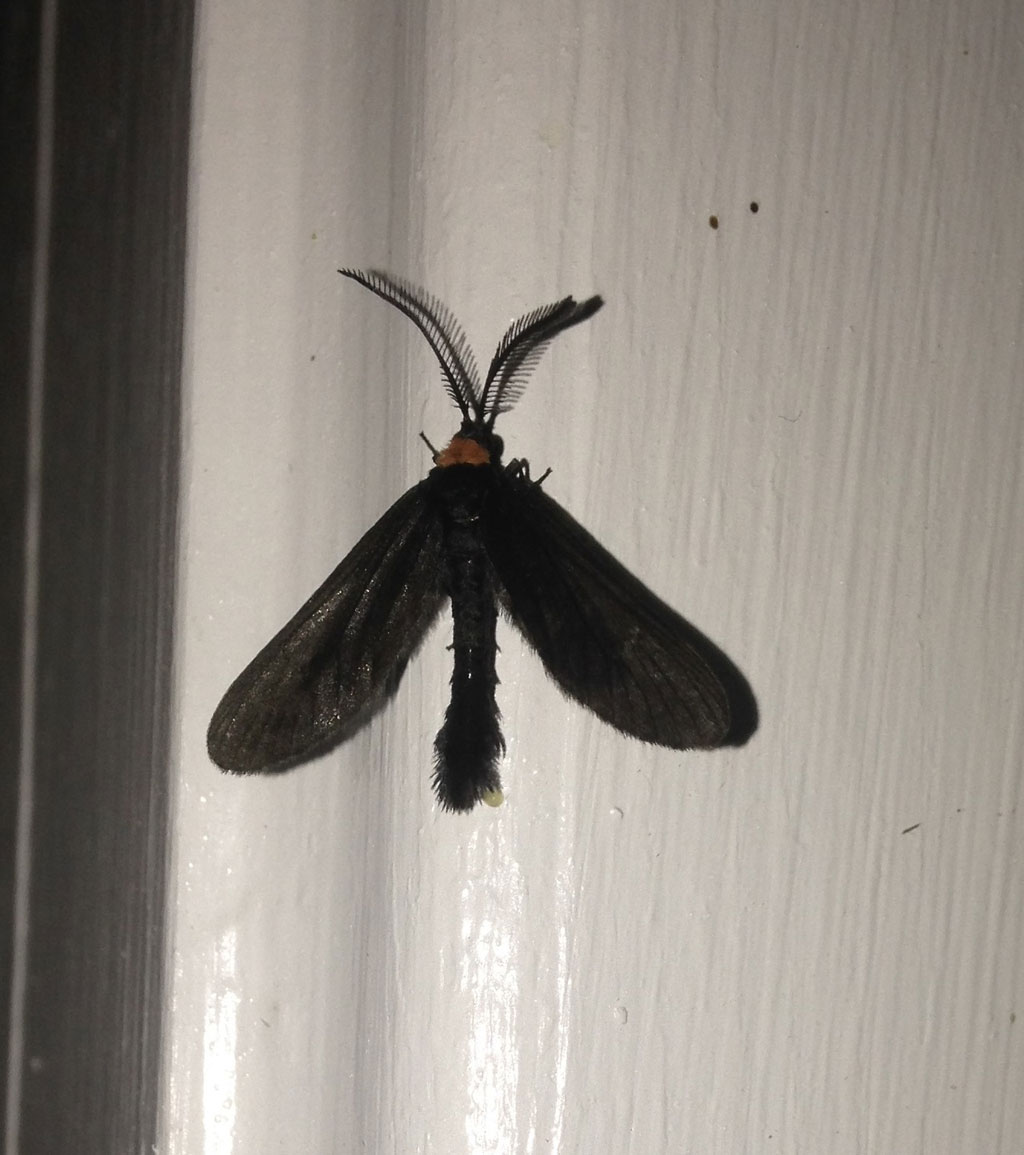
Grapeleaf Skeletonizer

by Betty Ann Rubinow June 5, 2016

moth

Common name: Grapeleaf skeletonizer, Fishers Island NY, June 2017

Scientific name: Harrisina americana

Season: At least two generations in the Northeast.

Food: Adults feed on grape leaves and the nectar of many flowers.

Ecology: Caterpillars are gregarious feeders (i.e., feed together in large groups) and are able to defoliate grapes, eating grape leaves down to the stems. They can be occasional pests in the Northeast, especially for vineyards. Otherwise, they are a welcome addition to the forest.

June 5, 2016 137 views
moth
FI Moths

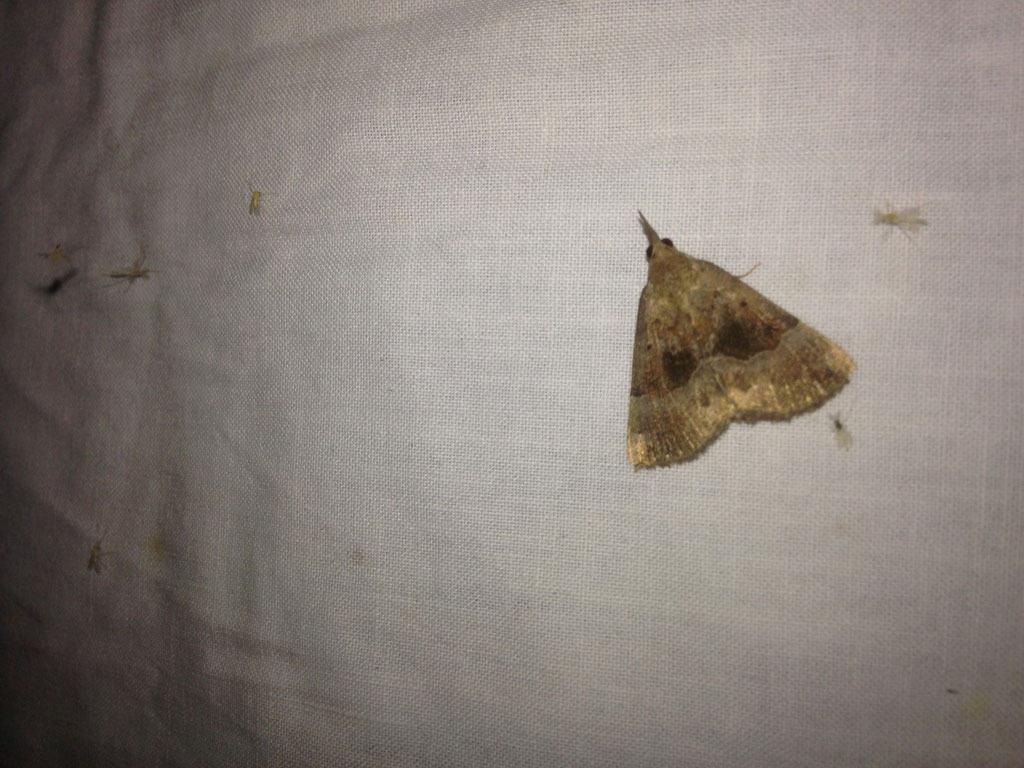
Gray-edged Hypena

by Betty Ann Rubinow June 1, 2016

moth

Common name: Gray-edged hypena, Fishers Island NY, June 2017

Scientific name: Hypena madefactalis 

Season: One generation per year, adults common by June.

Food: As caterpillars, the gray-edged hypena feeds exclusively on walnut, and in the Northeast, black walnut (Juglans nigra) is its favorite.

Ecology: The gray-edged hypena, like many moths and caterpillars, are specialist feeders, meaning they depend on only one or two kinds of plants to survive.

June 1, 2016 139 views
Sentinel Team 2014
Island SentinelsSentinel Archives

2014 Sentinels

by fic0n5erv August 8, 2014

L to R: Conner Wakeman, Gardner Thors, Justine Kibbe, Olivia Backhaus, Aaron Kane (not pictured Alan Eastman)

August 8, 2014 139 views
Field Notes

Trends: When Rare Becomes Common

by fic0n5erv June 22, 2014

Back in June 1975, our premier Island Naturalist Ed Horning published a small pamphlet: Fishers Island Birds. Its intention was to document the distribution and occurrence of bird species between a five year period from 1970-1975.

Nearly 40 years later I am savoring each moment of data that Ed jotted down.

Very much like monitoring Island sites today, the guide mentions familiar, local Island habitat, rare and common bird species documented seasonally, plus a map so any birder might expect to note an observation again.

A bit of natural history that back then recorded trends in species population data. 

Take Ed Horning’s note on Common Eider:  In 1970, sightings were rare and if they did occur it was only between December and January. But during the five years that Ed “monitored” habitat like Race Point, 6-10 ducks were sighted!

Imagine now, all these years later Common Eider are even more common!

In fact they congregate south side at Isabella and Chocomount and stretch north side now from the castle down….nearly all year!

Monitoring local Common Eider ducks in 2014, I noted they swam still long enough to see them change WITH the seasons.


June 22, 2014 129 views
Field Notes

Adopt-A-Beach

by fic0n5erv March 4, 2014

I have been thinking a lot about Stewardship and just what principles it takes to effectively oversee and protect the Island we all cherish and value-enough to “preserve, enrich, and enhance our resources and surrounding waters”
 Here,this morning I headed for the beach and trekked through Smyrna Dunes Park, navigating atop its elevated boardwalks. With the sun beating down on sandy slopes of these uplands, short shadows fall behind native Gopher Turtles emerging from burrows.  I can hear the breaking of ocean waves.

At first glance, floating on their boards in glistening wetsuits, surfers remind me of seals rafting together off Alaskan shores I once monitored.

I am struck by the beauty of a pristine beachscape despite the prevalent human element.

As I step off the boardwalk I notice a weathered sign-a bit of rust, a letter or two faded but never the less a message put to GREAT use!

The Smyrna Surfari Club has “adopted” a mile of beach here.

Well known for 35 years, the Club not only historically sponsors competition, but provides scholarships and has awarded over $150,000 to senior high school graduates who love to surf!

Thank you Smyrna Surfari Club for reminding me that sharing the responsibility

in caring for our environment is the essential principle that establishes Stewardship.

Back home on Fishers Island I can envision “Adopt-A Beach” signs perhaps in discreet spots along South, Isabella,  and Chocomount…representing maybe a softball team or two, a store, a family or three, even a graduating class, or sailing team.

Simply put….. Litter is “Bogus” and Stewardship is “Bodacious”!

March 4, 2014 148 views
Newer Posts
Older Posts

Upcoming Events

Notice
There are no upcoming events.

Keep in touch

Facebook Instagram Youtube

Recent Posts

  • An Invasive Spotted Lanternfly Was Found on Island – Time to Take Action!

  • June 2026 Breeding Bird Count

  • What to Do if You Find a Stranded Animal

  • Update on Phragmites Work and New Wetlands Regulations

  • SPOTTED in New London!

  • 2025 Fall Migratory Bird Count Results

  • Fall 2025 Migratory Bird Count

  • FIRST Summer Highlights 2025

  • Shorebirds Take Flight- The 2025 Season Wrap-Up

  • Buzz Be Gone- Final Spray of the Season

Explore

    • Home
    • Who We Are
    • What We Do
    • How To Help
    • News
    • Events

Connect

    • Join Us
    • Donate
    • Contact Us
Facebook Instagram Youtube
© 2026 All Right Reserved. Fishers Island Conservancy
Fishers Island Conservancy
  • Home
  • Who We Are
    • Our Mission
    • Our History
    • Our People
    • Contact Us
  • What We Do
    • Shorebird Monitoring
    • Annual Bird Counts
    • Marine Debris Clean Up
    • Island Sentinels
    • Research and Survey Team
    • Grassland Restoration
    • Mosquito Control
    • Invasive Plant Management
  • How To Help
    • Donate
    • Join Us
  • News
  • Events
    • Calendar