Fishers Island Conservancy
  • Home
  • Who We Are
    • Our Mission
    • Our History
    • Our People
    • Contact Us
  • What We Do
    • Shorebird Monitoring
    • Annual Bird Counts
    • Marine Debris Clean Up
    • Island Sentinels
    • Research and Survey Team
    • Grassland Restoration
    • Mosquito Control
    • Invasive Plant Management
  • How To Help
    • Donate
    • Join Us
  • News
  • Events
    • Calendar
Sunday, August 9, 2026
Fishers Island Conservancy
  • Home
  • Who We Are
    • Our Mission
    • Our History
    • Our People
    • Contact Us
  • What We Do
    • Shorebird Monitoring
    • Annual Bird Counts
    • Marine Debris Clean Up
    • Island Sentinels
    • Research and Survey Team
    • Grassland Restoration
    • Mosquito Control
    • Invasive Plant Management
  • How To Help
    • Donate
    • Join Us
  • News
  • Events
    • Calendar
Fishers Island Conservancy
  • Home
  • Who We Are
    • Our Mission
    • Our History
    • Our People
    • Contact Us
  • What We Do
    • Shorebird Monitoring
    • Annual Bird Counts
    • Marine Debris Clean Up
    • Island Sentinels
    • Research and Survey Team
    • Grassland Restoration
    • Mosquito Control
    • Invasive Plant Management
  • How To Help
    • Donate
    • Join Us
  • News
  • Events
    • Calendar
Copyright 2026 - All Right Reserved
Current EventsEventsNews

What to Do if You Find a Stranded Animal

by Anna White October 31, 2025
 

What to Do if You Encounter a Stranded Marine Animal

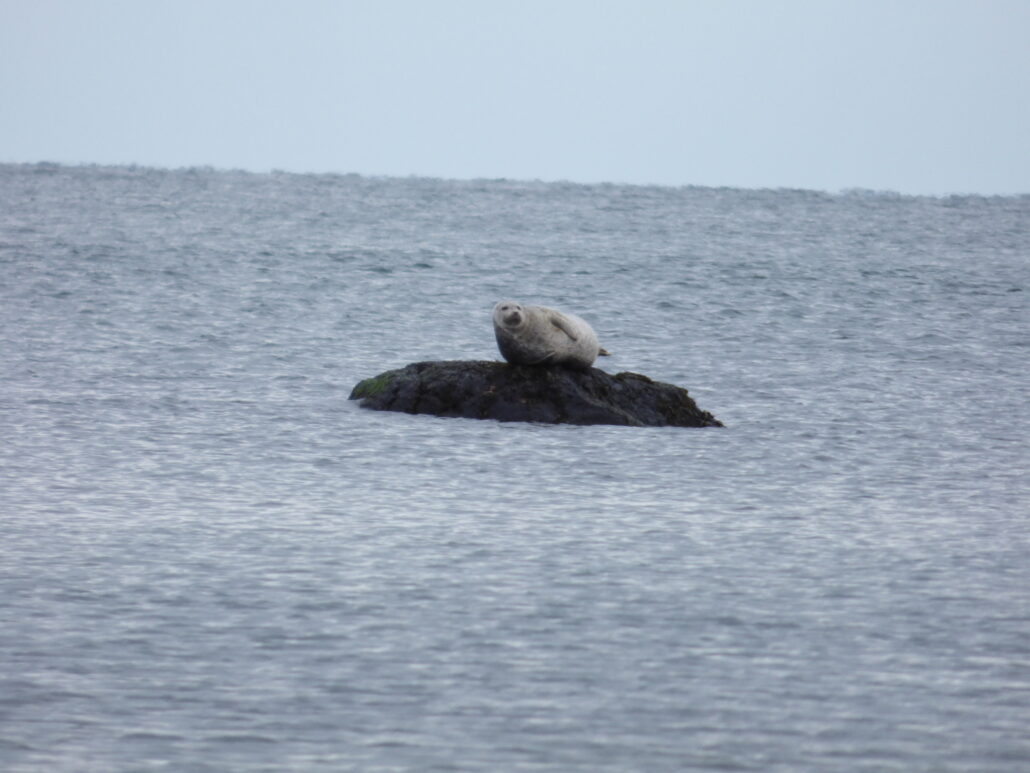
While it’s not uncommon to see seals resting on Fishers Island’s beaches, there are times when a marine mammal may need help. Seals often haul out on land to rest, warm up, or digest food – this is a normal and healthy behavior. However, if you’re unsure whether an animal is just resting or in distress, it’s always best to notify professionals.

What to Do First

The first step is to call the Mystic Aquarium Marine Mammal Stranding Hotline at (860) 572-5955 x107.
This ensures there’s an official record of your report and allows their trained team to coordinate a proper response.

  • The animal’s exact location (GPS coordinates)
  • A photo taken from a safe distance
  • Notes about the animal’s behavior, such as alertness, responsiveness, or visible injuries

Understanding Normal Seal Behavior

Seals on beaches do not always need help. They haul out naturally and do not need to be wet at all times. Resting on shore is part of their normal routine and allows them to conserve energy and regulate body temperature.

A healthy seal will often appear alert and responsive and may rest in a “banana pose” – with its head and tail lifted off the ground. This posture indicates that the animal is relaxed and comfortable.

Keep Your Distance

Please keep at least 150 feet away from all marine mammals. This is required by federal law under the Marine Mammal Protection Act. A simple way to check your distance is to hold your thumb out at arm’s length: if you can completely cover the seal with your thumb, you’re far enough away.

  • Never touch, feed, or approach a seal
  • Do not stand over or near the animal’s head or flippers
  • Keep dogs leashed and well away
  • Remember that seals can carry zoonotic diseases, which can spread to humans and pets. Always observe from a distance
Photo by fishersnaturalist (iNaturalist 2017)

Local Certified Responders

Fishers Island is fortunate to have several certified responders through Mystic Aquarium’s Marine Mammal Rescue Program. These volunteers are trained annually to help assess, monitor, and assist with marine mammal strandings and sightings on the island.

As of October 2025, the following individuals are certified and available to assist when needed:

  • Kristen Peterson – kmpfic@gmail.com
  • Michele Klimczak – klimette62@sbcglobal.net
  • Anna White – annarwfic@gmail.com
  • Stephanie Hall – glynn7447@gmail.com
  • Nick Hall
  • Annabel Vartanian Jeffries
  • Gordon Murphy – gsmurphy@mac.com

Note: Only volunteers who are certified and current on their annual recertification are eligible to assist with a stranding response.

Fishers Island Conservancy’s Role

The Fishers Island Conservancy works closely with Mystic Aquarium and maintains on-island response gear, including a transport crate and other necessary equipment. If you reach out to the Conservancy, they can help connect you with certified volunteers, but please call the Mystic Aquarium hotline first to file an official report.

Interested in Becoming a Volunteer?

The Conservancy and Mystic Aquarium partner each year to provide marine mammal response training on Fishers Island.
If you are interested in becoming a certified volunteer in the future, please contact:
Karissa McNair, Mystic Aquarium Volunteer Coordinator – volunteer@mysticaquarium.org


October 31, 2025 237 views
Current EventsEducationEventsFeatureNews

Update on Phragmites Work and New Wetlands Regulations

by Anna White October 10, 2025

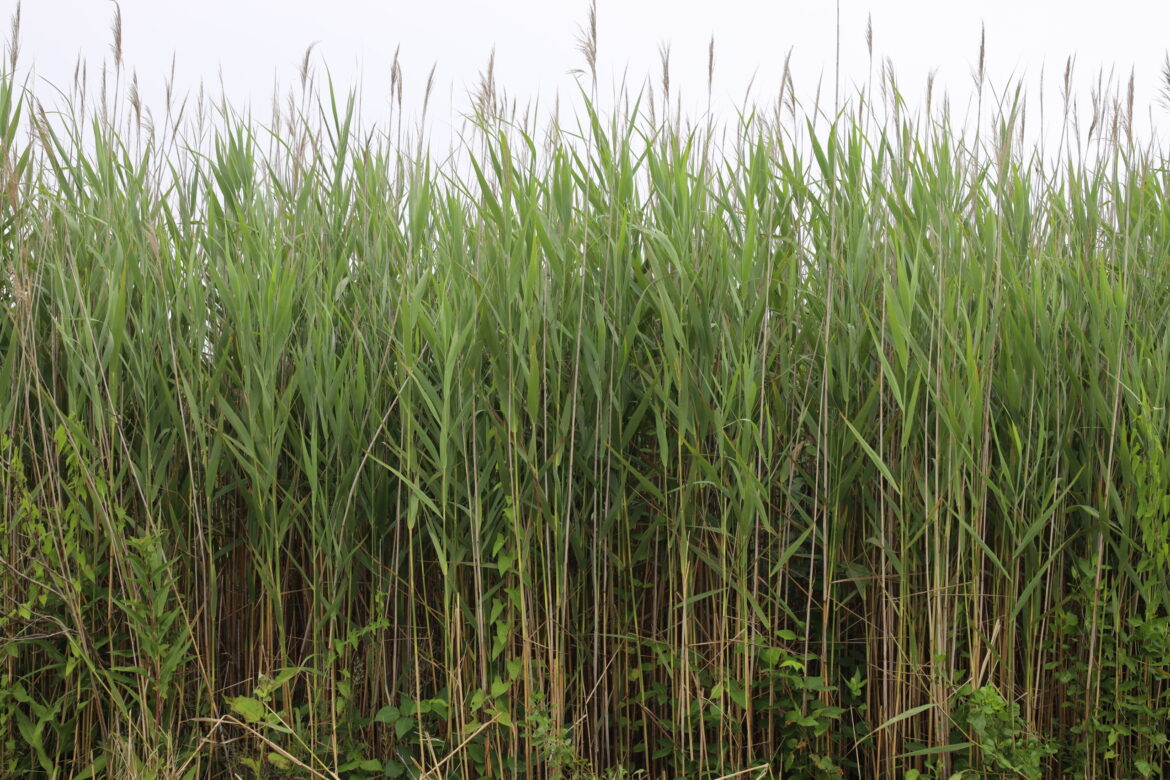
We wanted to share an update about this season’s phragmites management work. Recently, the New York State Department of Environmental Conservation (NYSDEC) updated its freshwater wetlands regulations. These new rules expand which areas are considered regulated wetlands and change the process for getting permits to do any work in or near them.

Because of this, most of our current and planned phragmites treatment sites are now on pause while new permits and preliminary determinations are completed. The only location that can move forward right now is the Parade Grounds, which already had its permit approved under the previous regulations.

While delays are never easy, this is an important step to make sure we’re doing everything responsibly and in full compliance with state policy. Wetland regulations exist to protect sensitive habitats, water quality, and the overall health of our island’s ecosystem. When the state updates these policies, it’s our job to make sure all of our work stays consistent with those changes.

We’re continuing to work closely with our partners at The Pond and Lake Connection and NYSDEC to complete the required paperwork and move forward as soon as possible. We’ll share updates once we have a clearer timeline.

In the meantime, if you’d like to learn more about the new wetlands regulations, you can visit the NYSDEC Freshwater Wetlands Program for more information.

Pease feel free to email annarwfic@gmail.com if you have any questions.

October 10, 2025 167 views
Current EventsEducationEventsFeatureNews

SPOTTED in New London!

by Anna White October 2, 2025

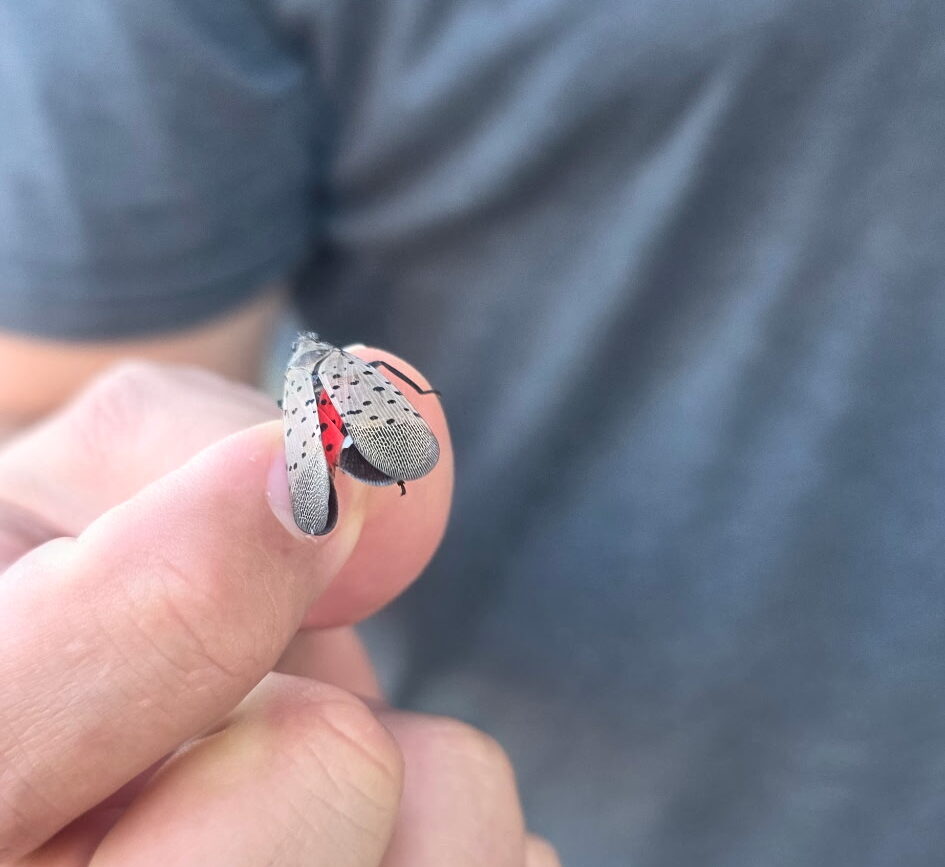
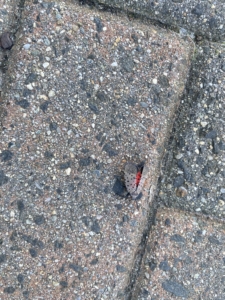
During preparations for this year’s fall bird migration count, Dr. Adam Mitchell of Tarleton State University and Catalina Berry, a Ph.D. student and former lead of the 2024 migration team, observed an adult spotted lanternfly on the ground in New London, just a block from the ferry. This marks a concerning sign that the invasive species is present close to the island and could spread here.
 

The spotted lanternfly (Lycorma delicatula) is a destructive invasive insect tha tposes a significant threat to both agriculture and native ecosystems. Although it is native to Asia, it has spread rapidly through the northeastern United States in recent years. The insect feeds on the sap of plants, with a strong preference for the invasive tree-of-heaven, but it is known to consume more than

100 plant species. These include grapevines, fruit trees, hardwoods such as maples and oaks, and a wide range of ornamental plants and vines. Infestations can cause serious damage to crops, reduce the health of trees, and disrupt ecological balance.

While the insect is not dangerous to humans or pets, it spreads quickly and often hitchhikes on vehicles, firewood, outdoor furniture, and other materials. For this reason, the community’s vigilance is super important in preventing its spread to our island.

What You Can Do to Help Prevent the Spread

1. Check your belongings and vehicles
Before traveling to or from the island, inspect your car, boat, luggage, and any outdoor equipment for spotted lanternflies, egg masses, or nymphs.

2. Look for egg masses
From fall through early spring, females lay egg masses on flat surfaces such as trees, rocks, vehicles, patio furniture, and even outdoor gear. Scrape and destroy any you find.

3. Avoid moving firewood
Do not bring firewood or other untreated outdoor materials onto the island, as these can easily carry egg masses or hidden insects.

4. Be vigilant in your yard
Check trees and plants regularly, especially grapes, fruit trees, maples, and tree-of-heaven, which are common hosts.

5. Report sightings immediately
If you see a spotted lanternfly, take a clear photo and report it to both the Fishers Island Conservancy and the New York State Department of Environmental Conservation (NYSDEC). Reports can be submitted through NYSDEC’s invasive species survey

6. Kill the insect if possible
Spotted lanternflies are not harmful to people or pets. Stomping or capturing them on sight is one of the most direct ways to slow their spread!


October 2, 2025 145 views
Marine Reports

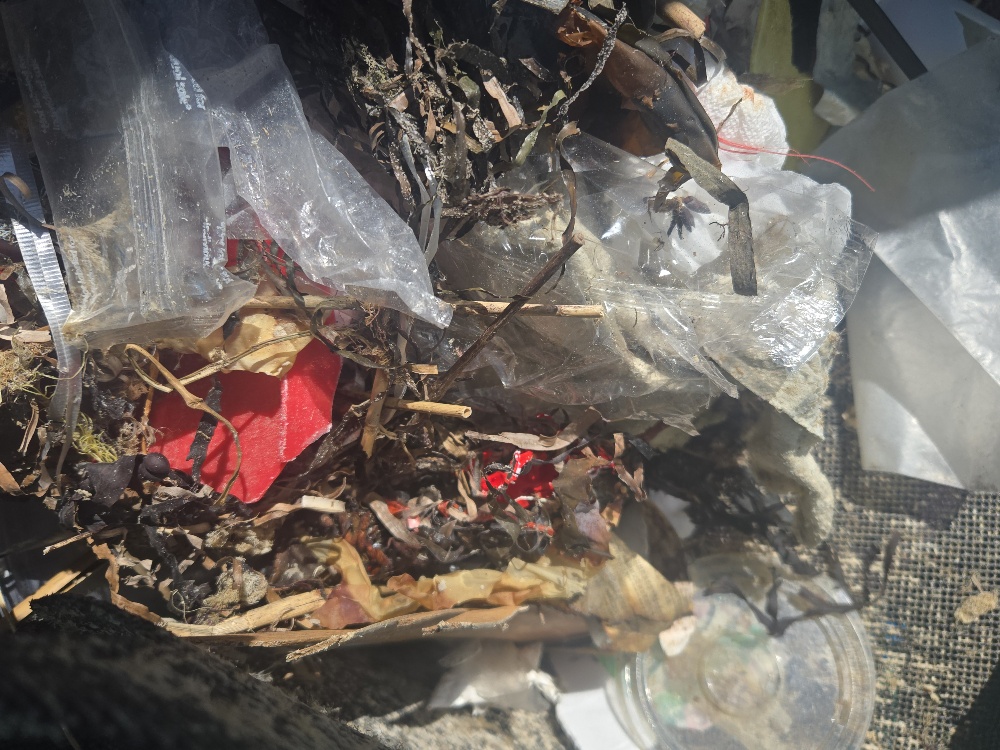
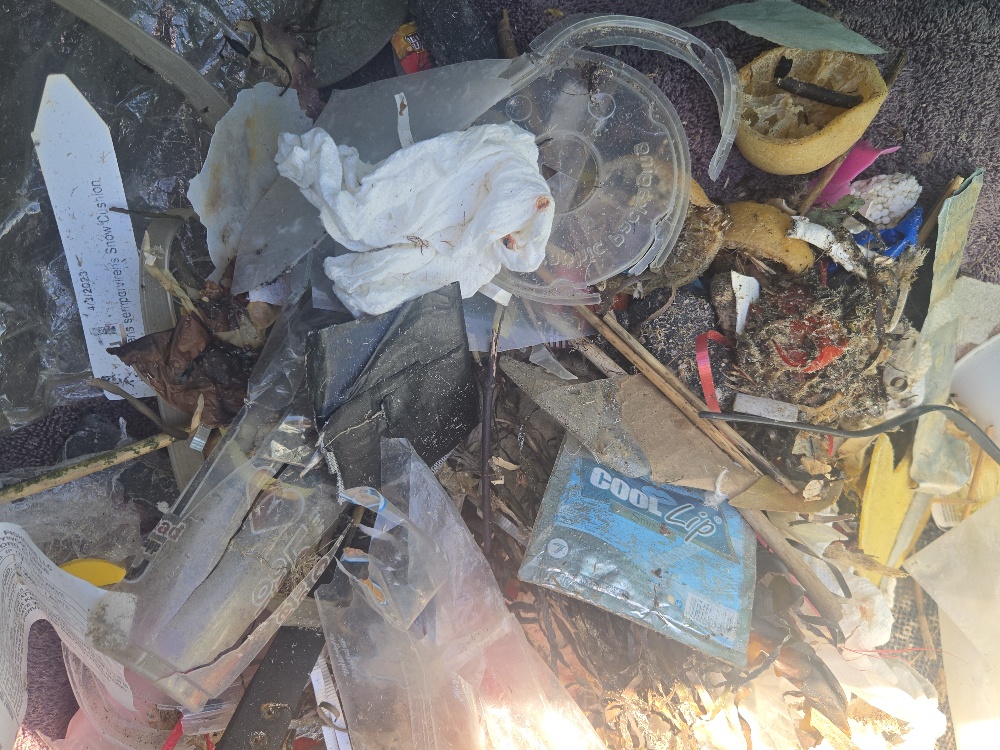
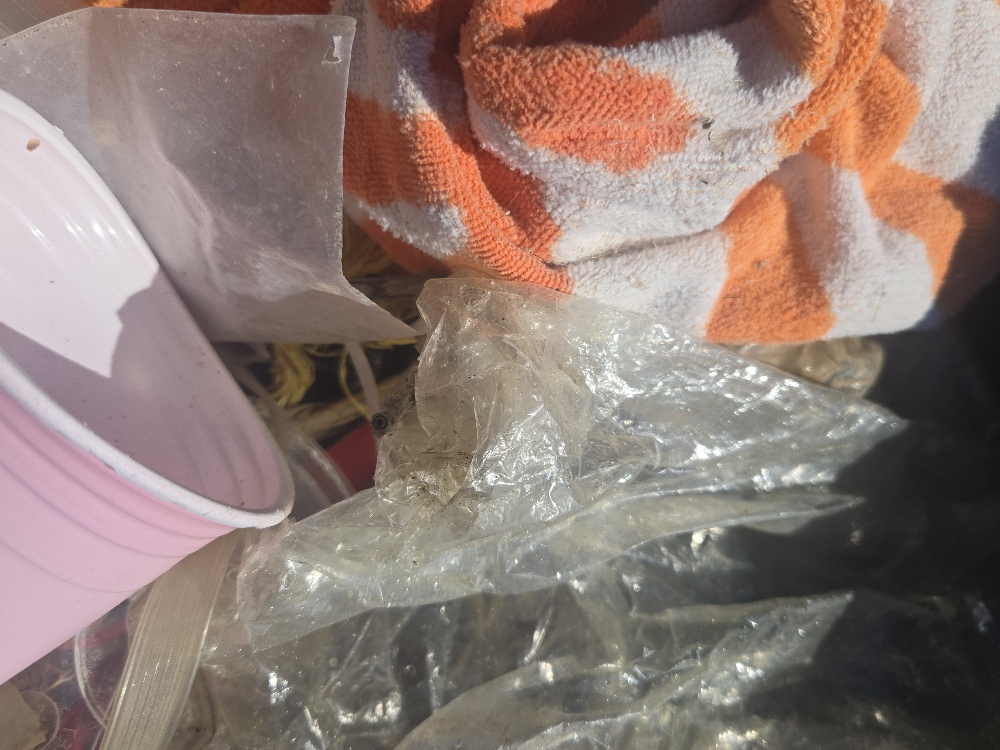
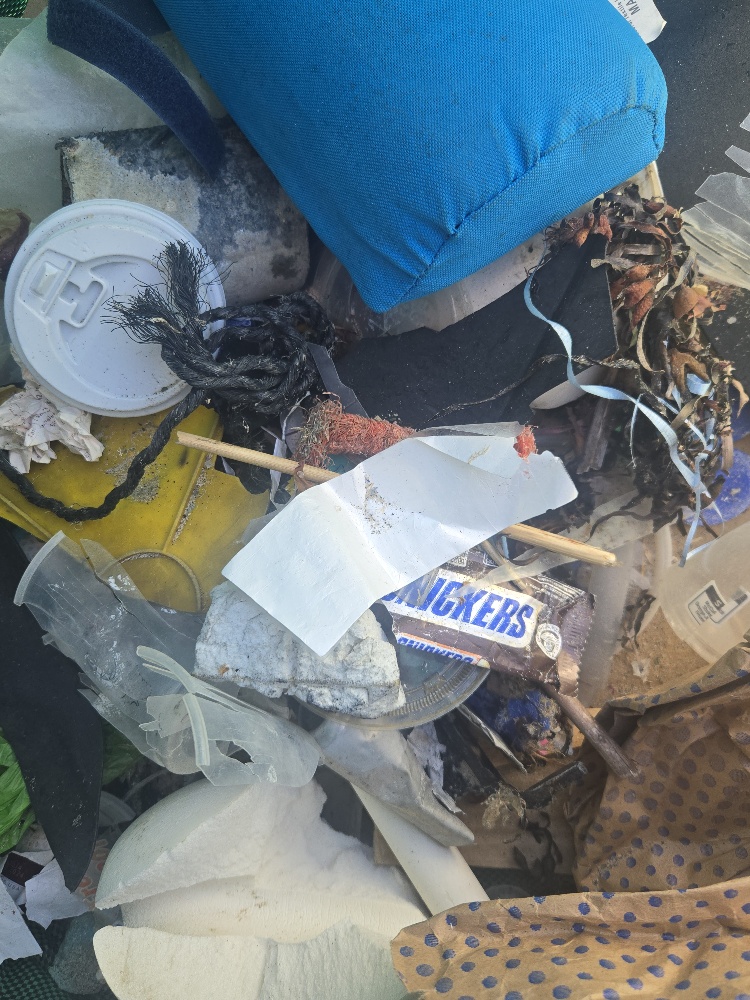
Marine Debris October 2025

by Anna White October 1, 2025

Marine Debris Report
October 2025

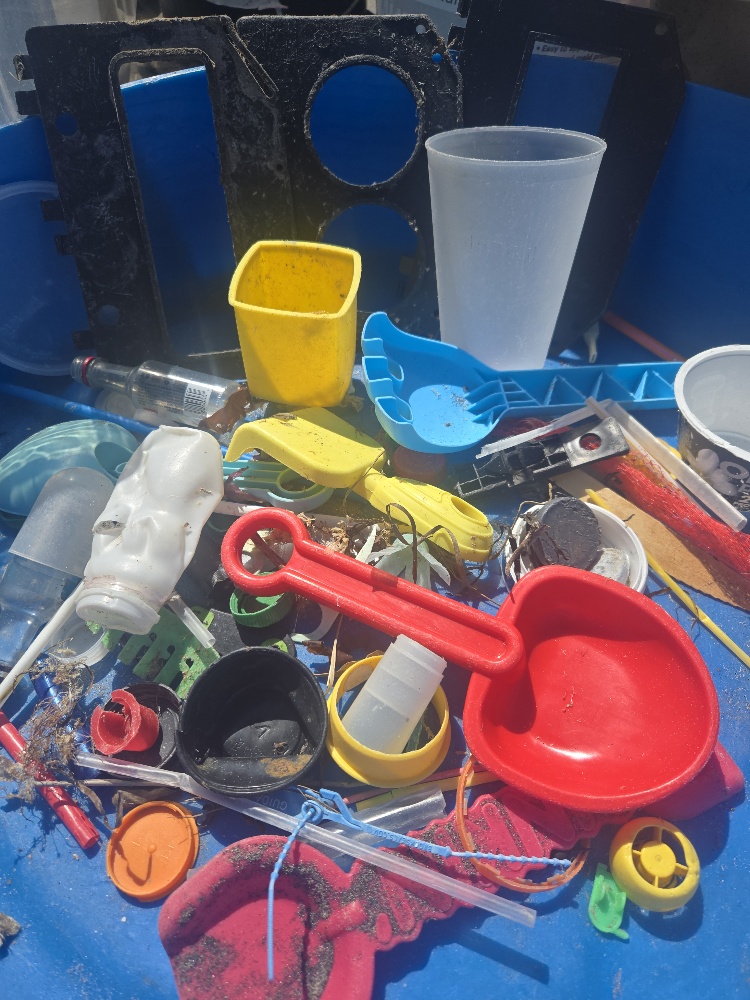
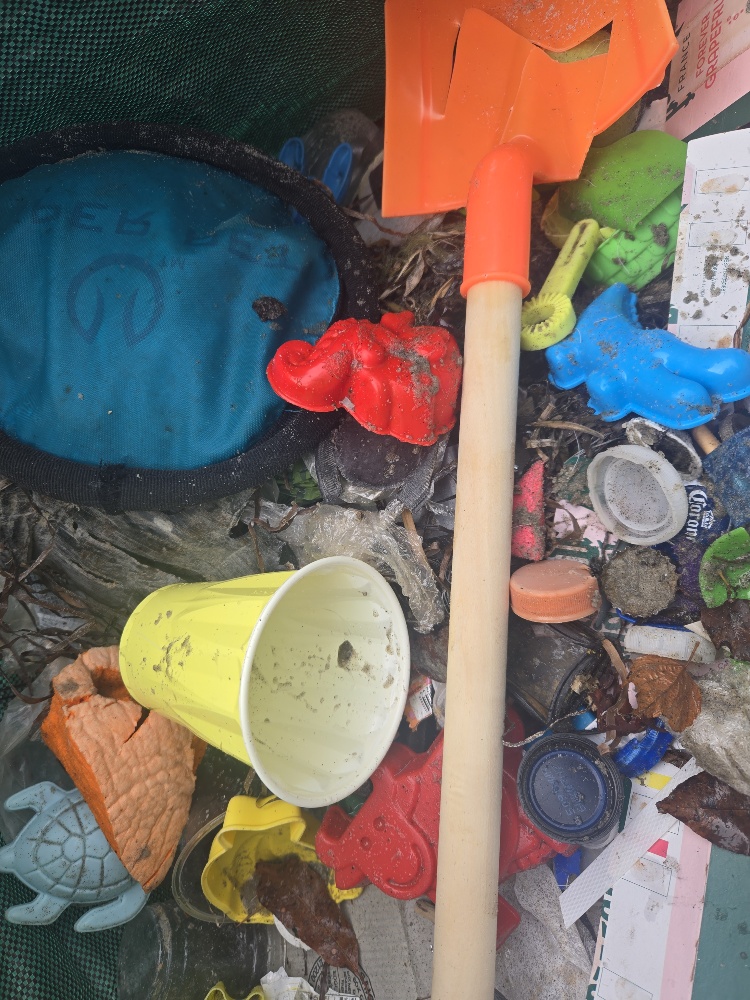
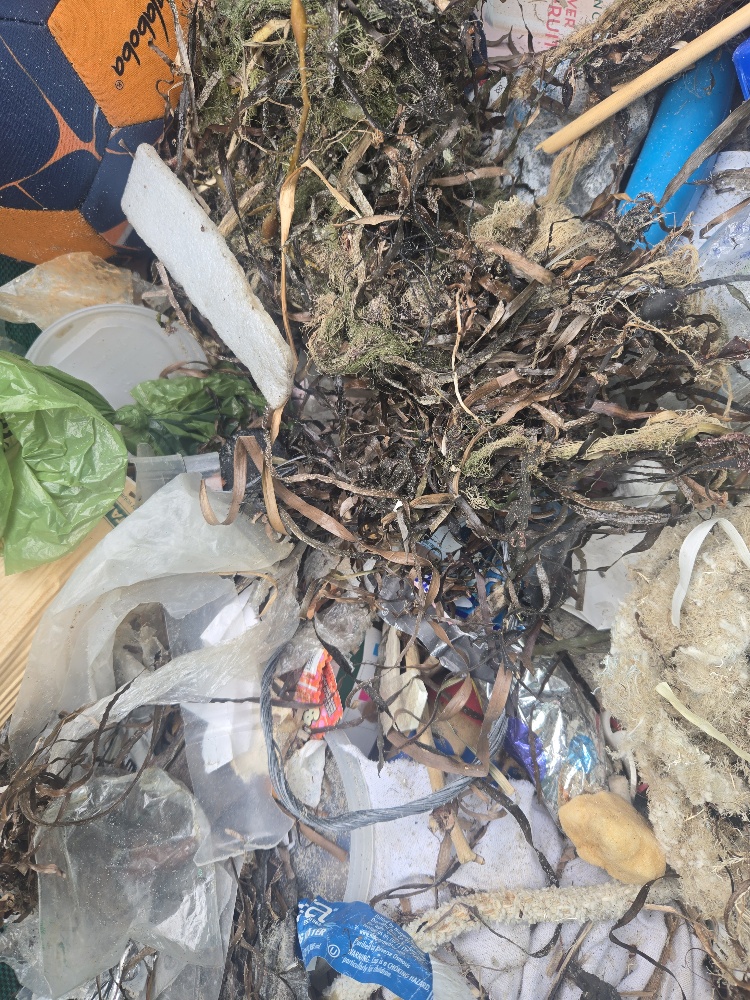
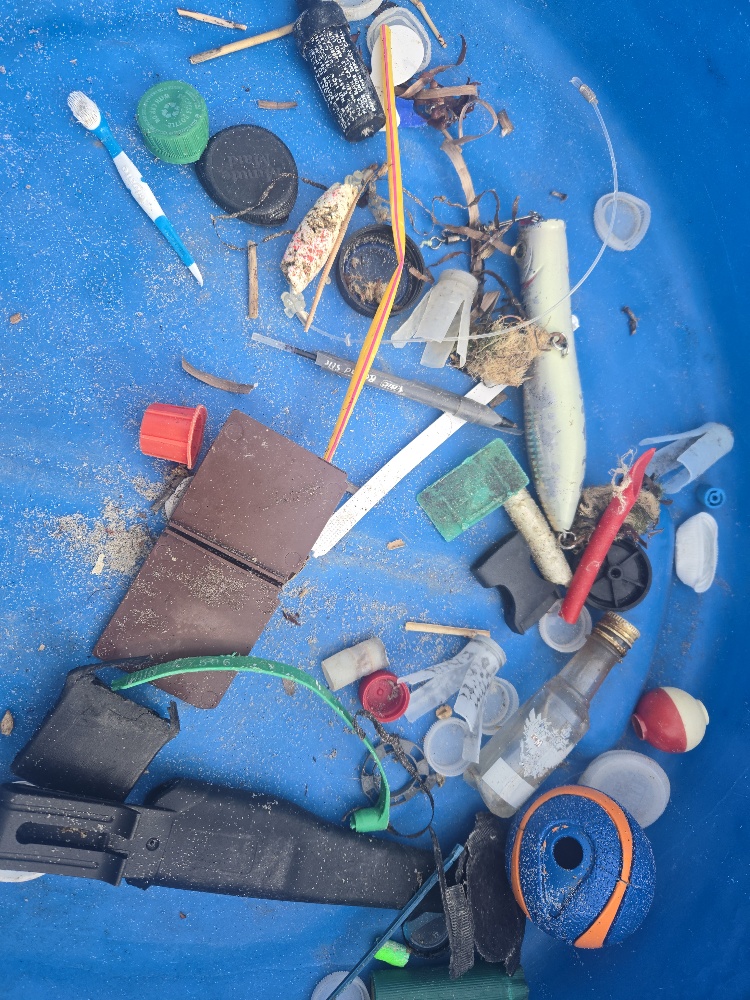
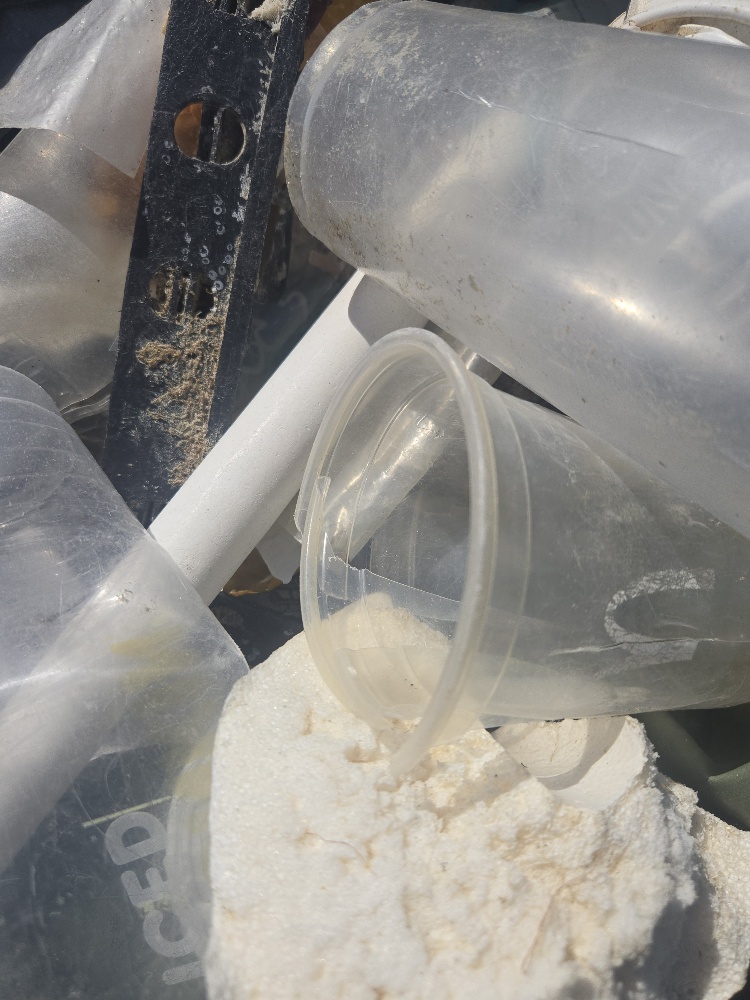
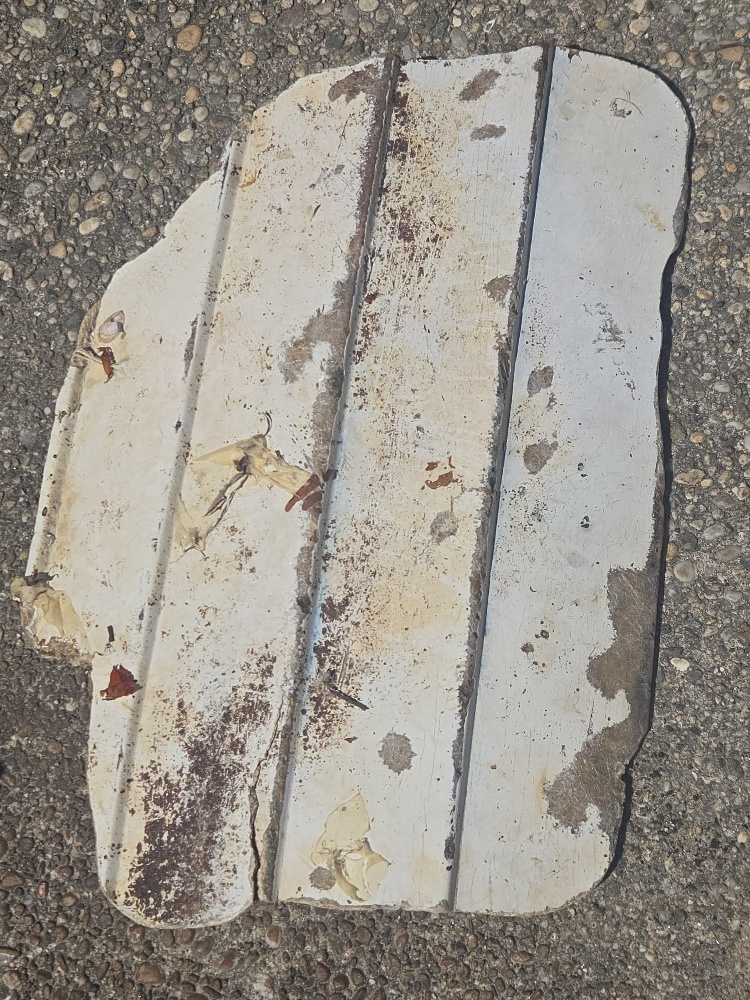
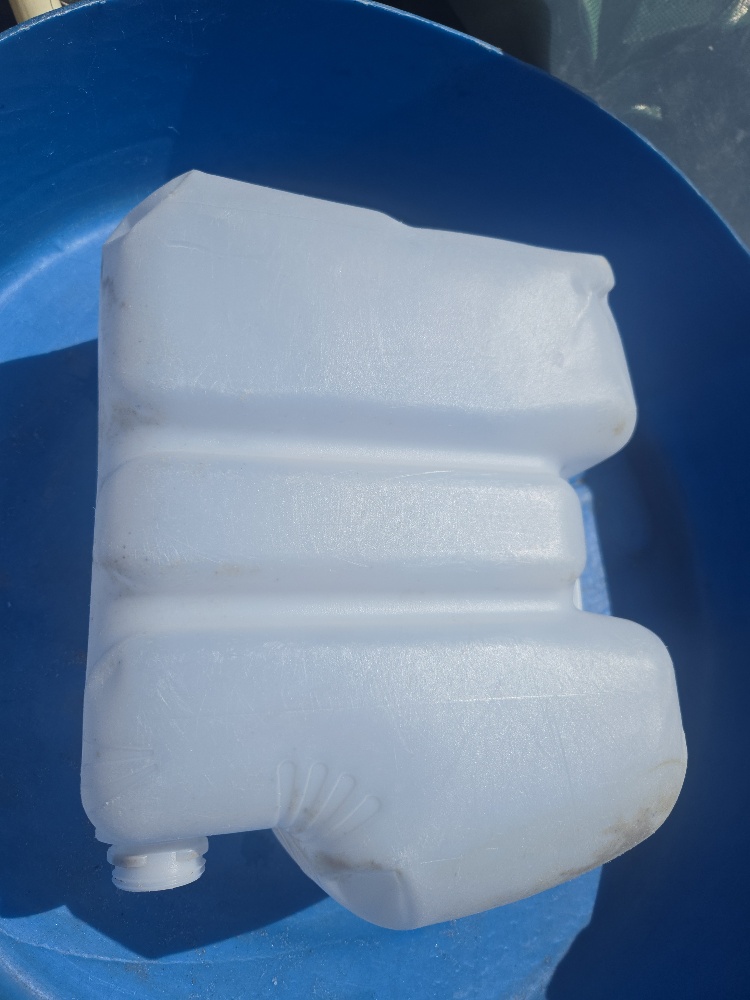
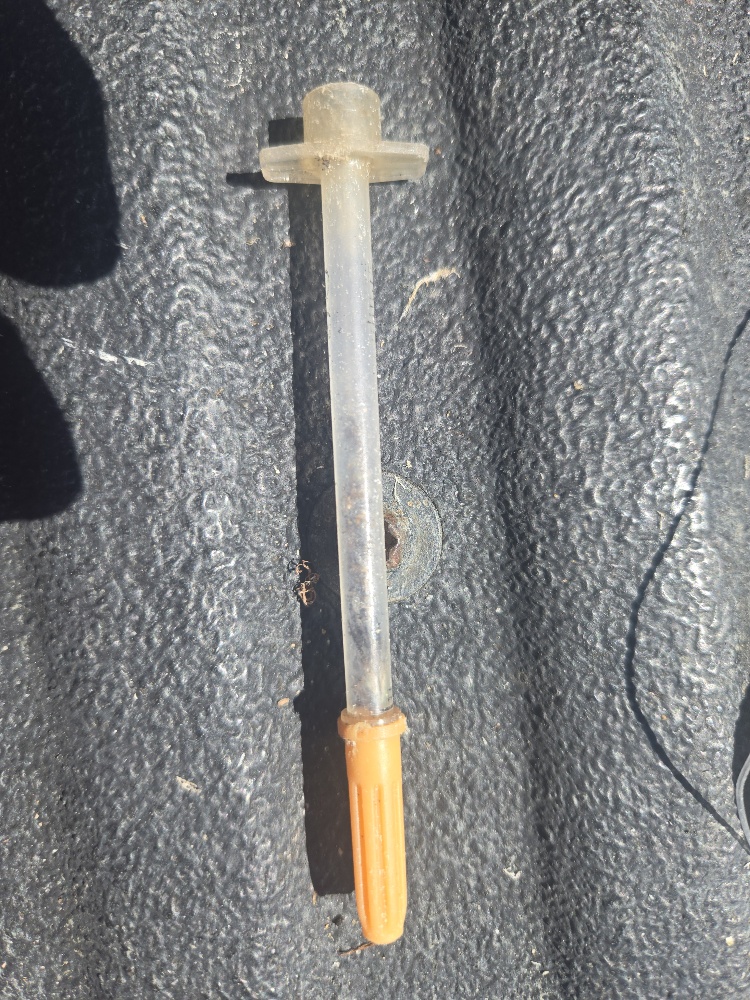
Collected across island beaches
Total weight: 1,168  lbs | Total hours: 107.5
~ Michele Klimczak

DATE ZONE LOCATION WEIGHT (LBS) HOURS
10/1/2025 S3 Chocomount Cove beaches through behind Webbles, beach before Big Club 42 7
10/2/2025 E4 Latimer Light beaches past Eighth Hole 46 8
10/5/2025 E4 Castle Rd beaches to behind Money Pond beach 32 5
10/14/2025 N5 Chocomount Cove beaches to end of Hungry Point beaches 29 6
10/15/2025 N6 Clay point Rd, Brick yard Rd, Dock beaches through North Hill 36 8
10/16/2025 N1 Airport beaches to Ordinance Ferry Park to Silver Eel Cover to Little Stony 33 6
10/19/2025 S2 Race Rock beaches, Sanctuary of Sands through all of South beaches up to Wilderness Point 46 8
10/20/2025 S2 Isabella beaches and behind secret beach 49 6
10/22/2025 S3 Chocomount beaches to behind Webbles beach, Barley Field Cove beaches 57 7
10/23/2025 E4 Latimer Light beaches through to Coast Guard House over golf course 48 7.5
10/24/2025 E4 Behind Money Pond and Castle Rd beaches 39 5
10/27/2025 N5 Chocomount Cove beaches through Hungry Point beaches 44 8
10/28/2025 N6 Clay Point Rd, Brick yard Rd beaches to Dock beaches, all North Hill beaches 38 8
10/29/2025 N1 Airport beaches to Ordinance Ferry Park to Silver Eel Cover to Little Stony to Holiday House Beaches 42 8
10/30/2025 S2 Race Rock, Sanctuary of Sands, South beach, Wilderness Point 52 8

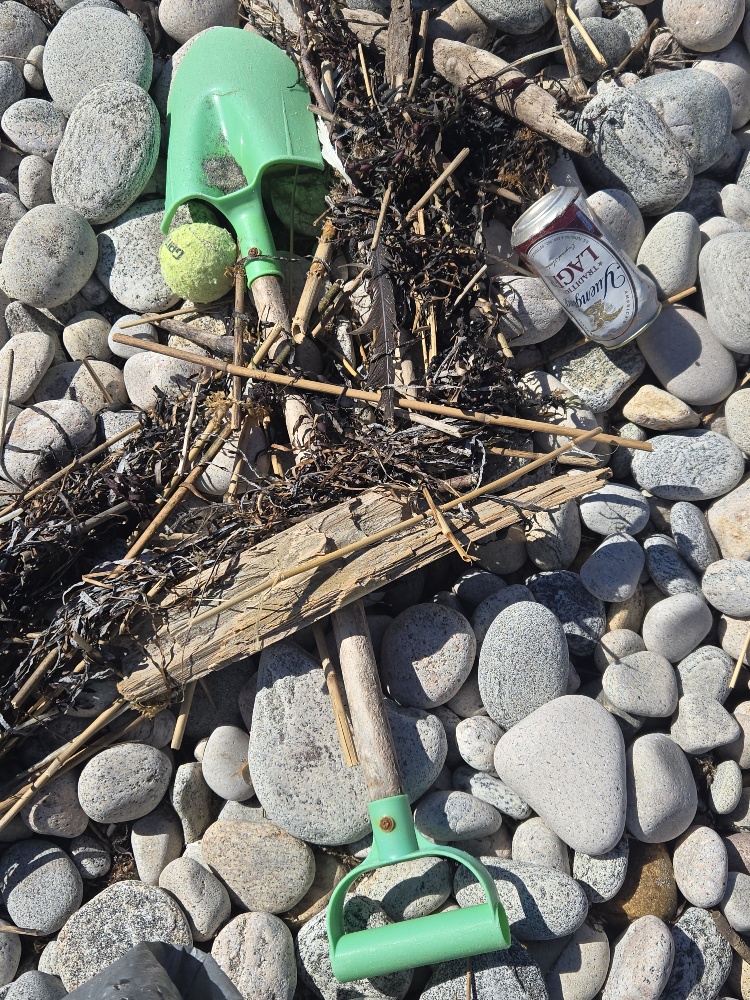
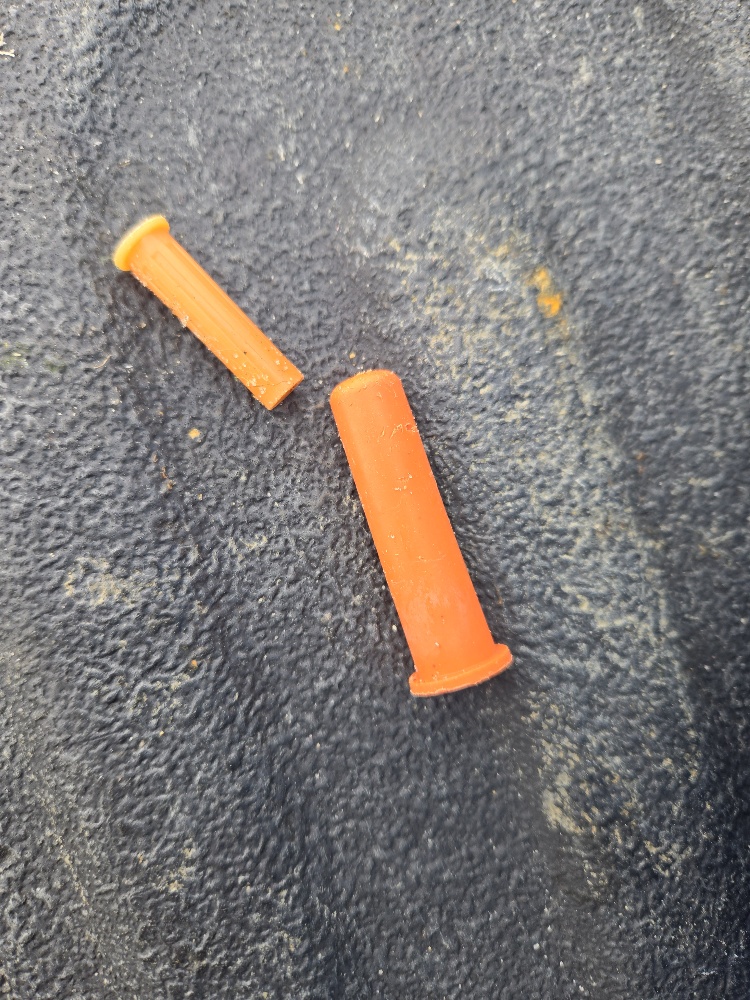
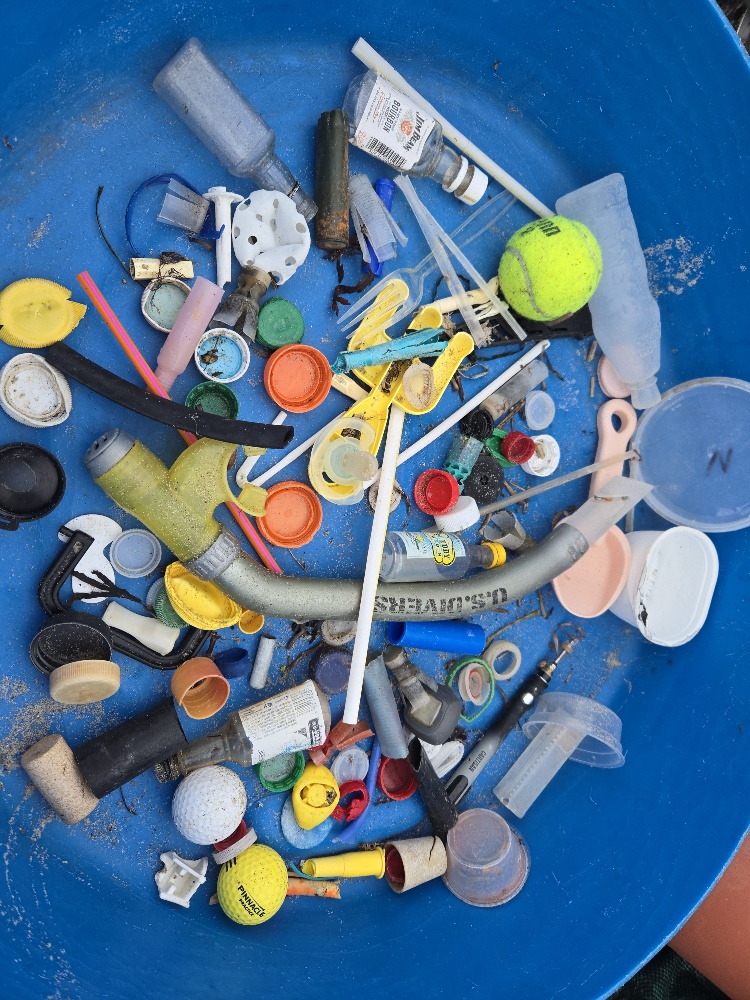
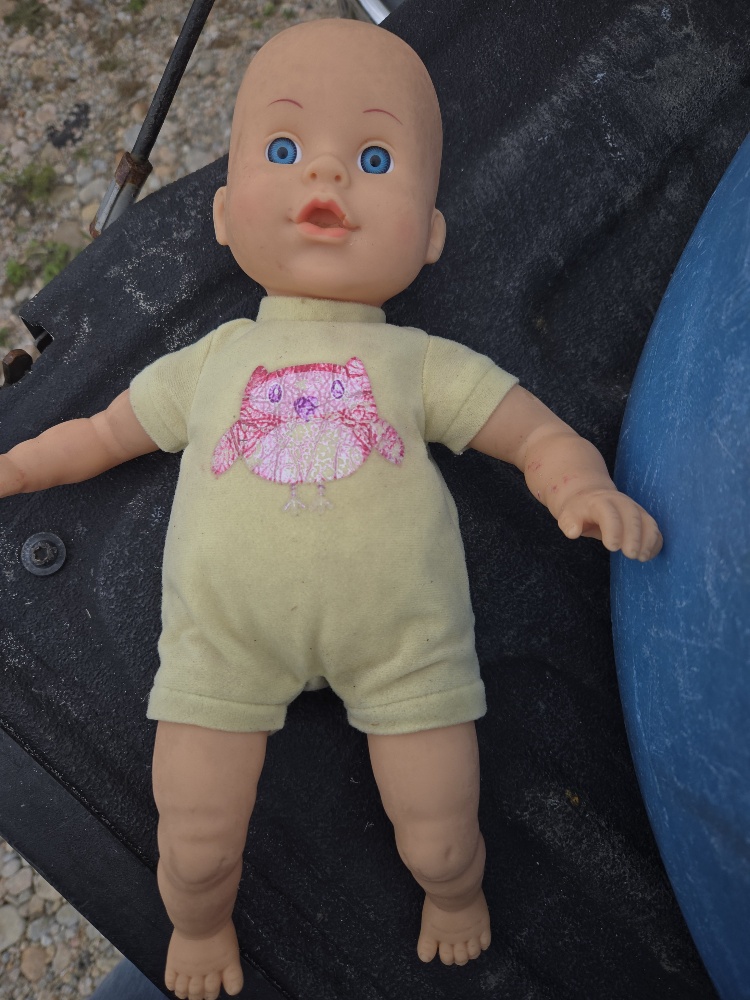
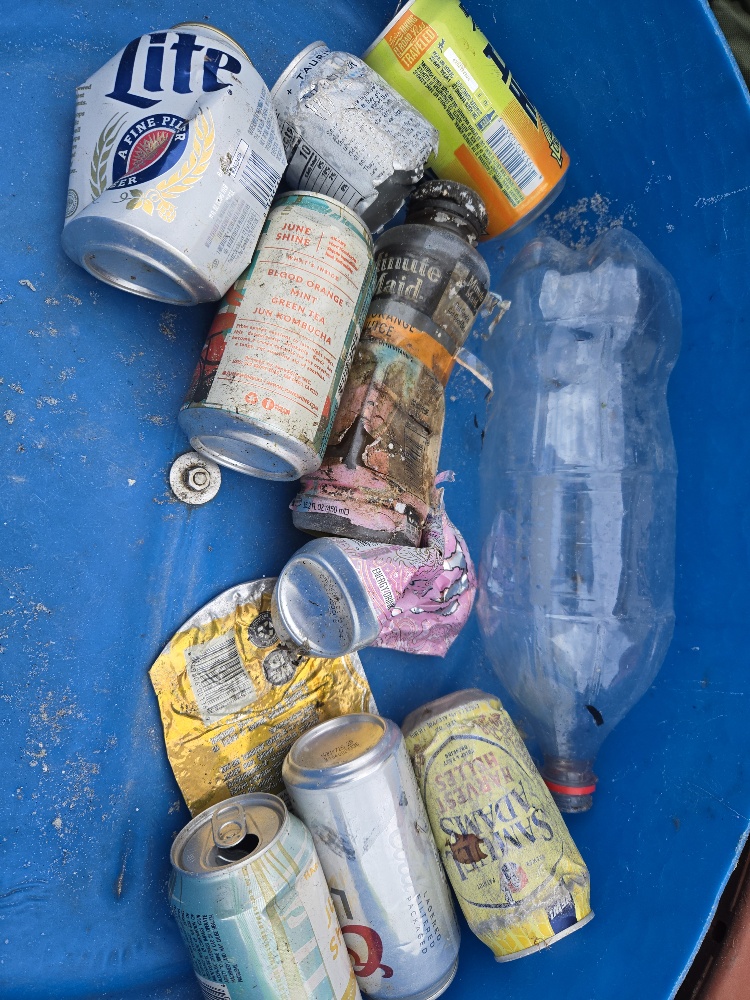
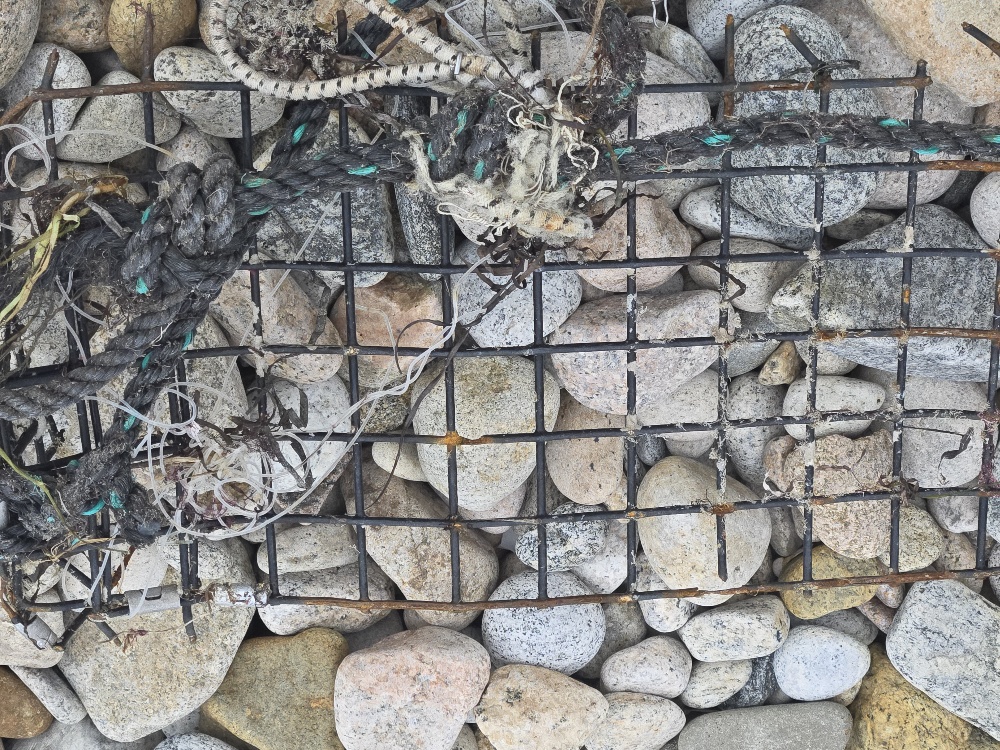
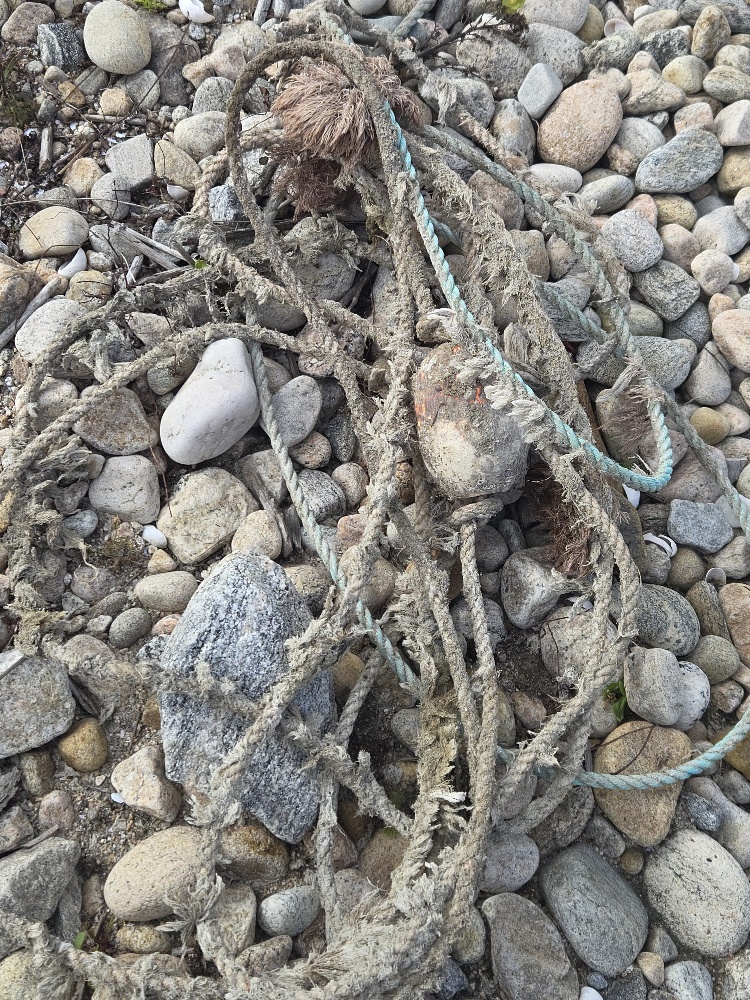
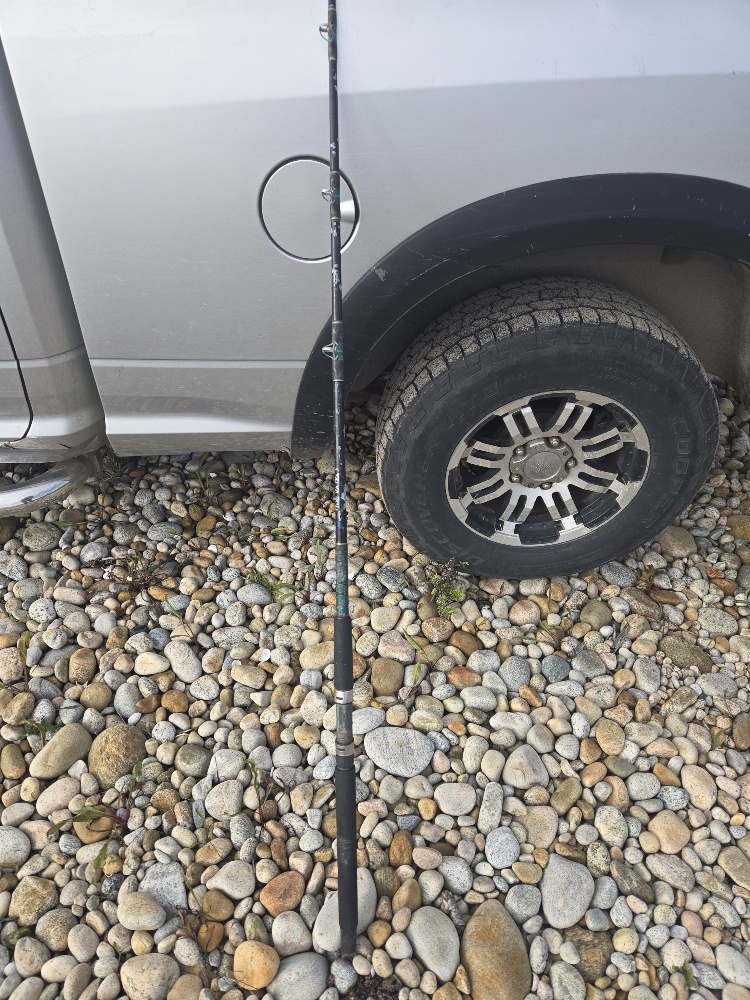
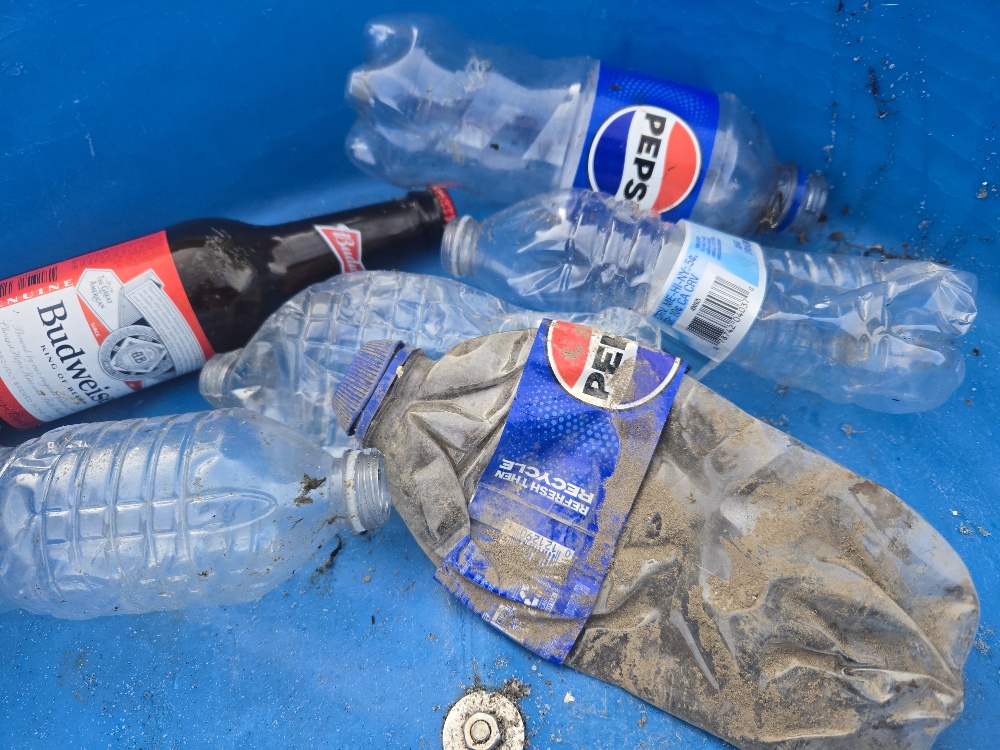
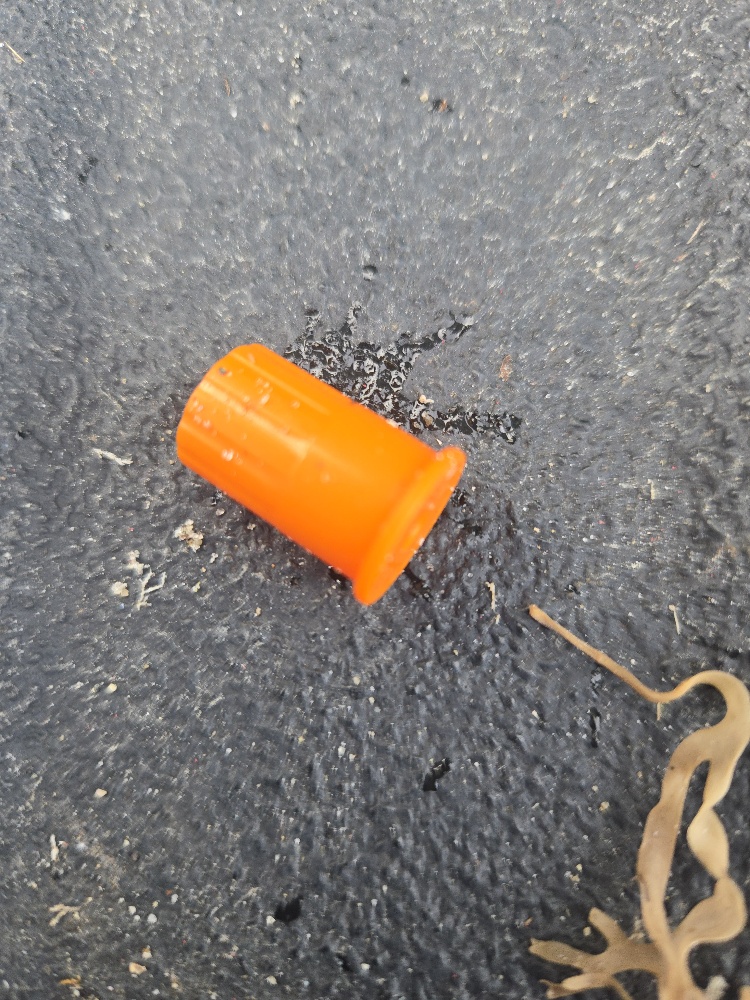
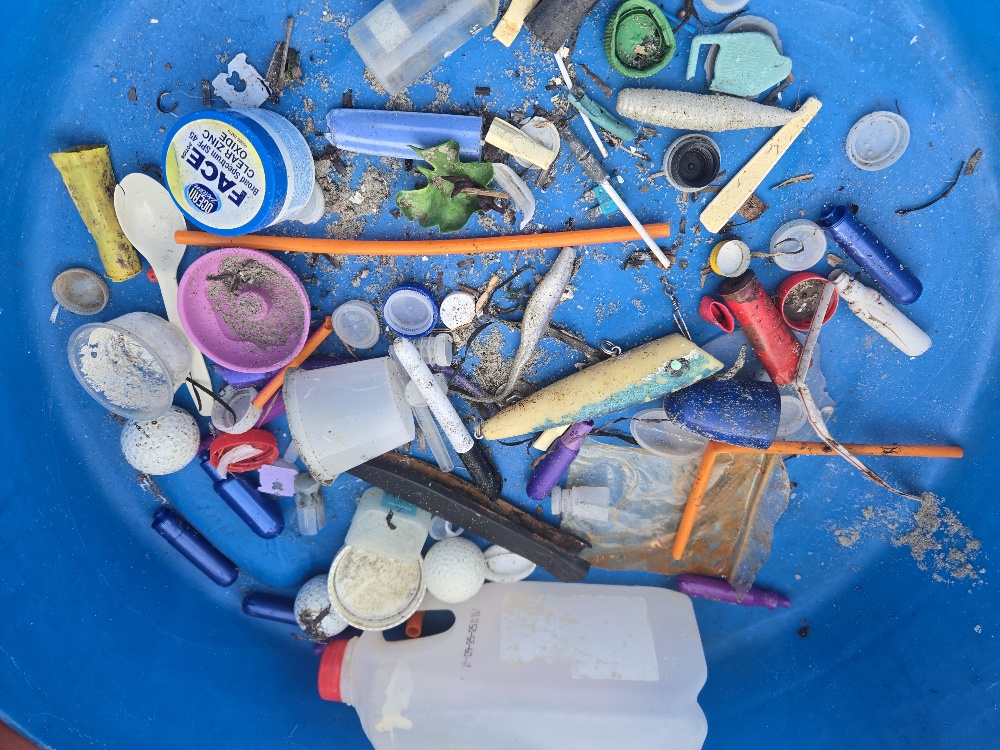
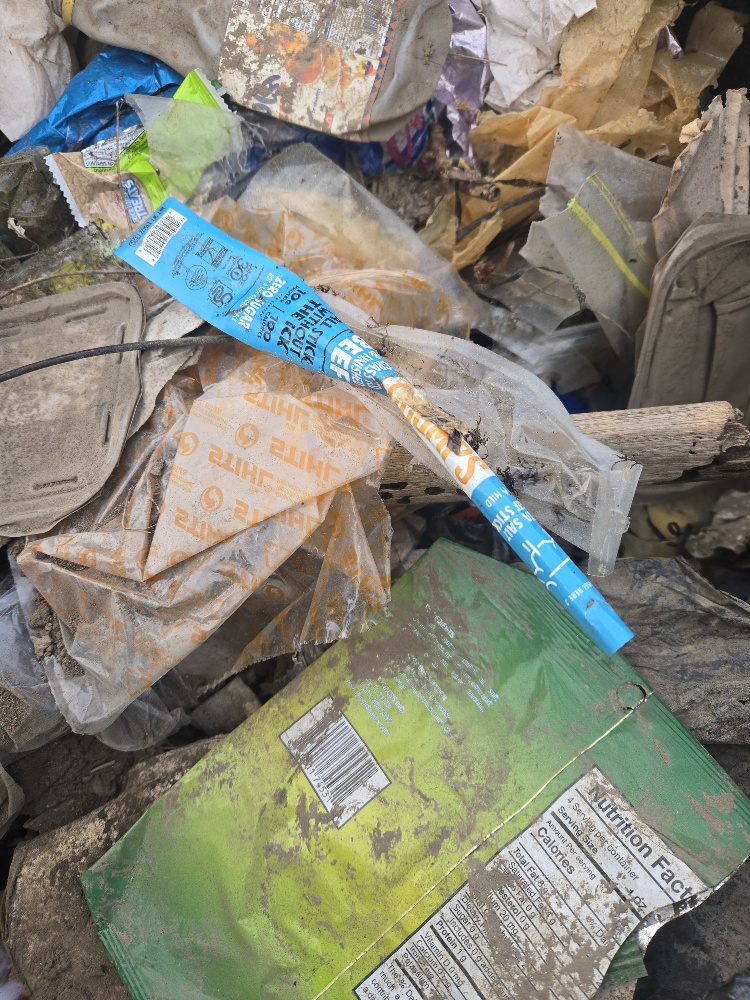
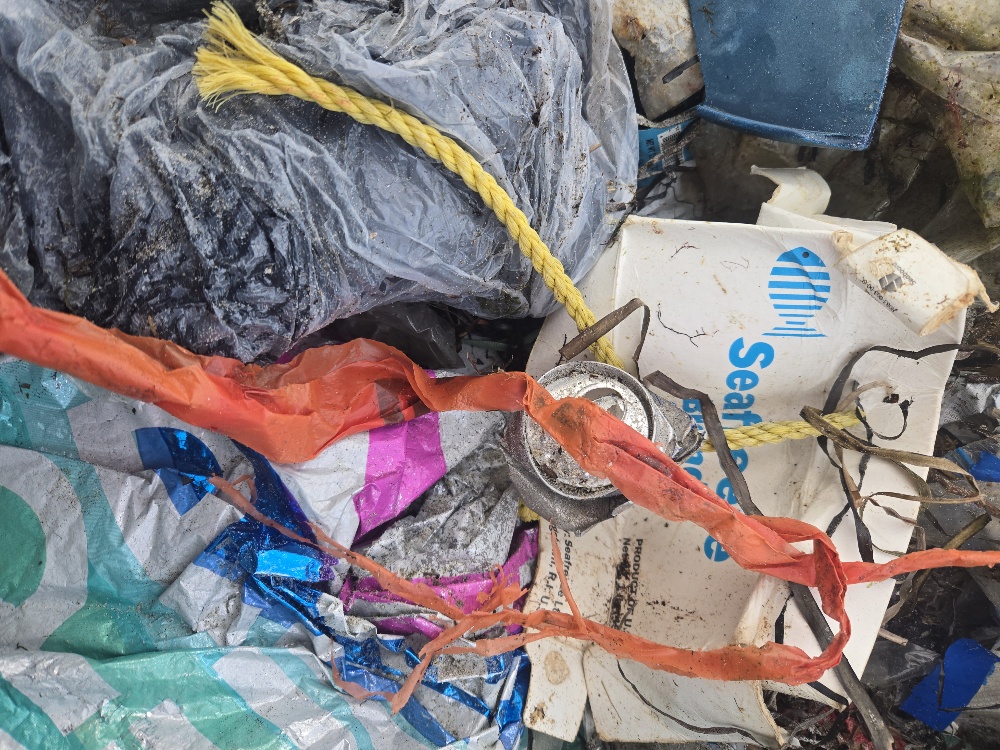
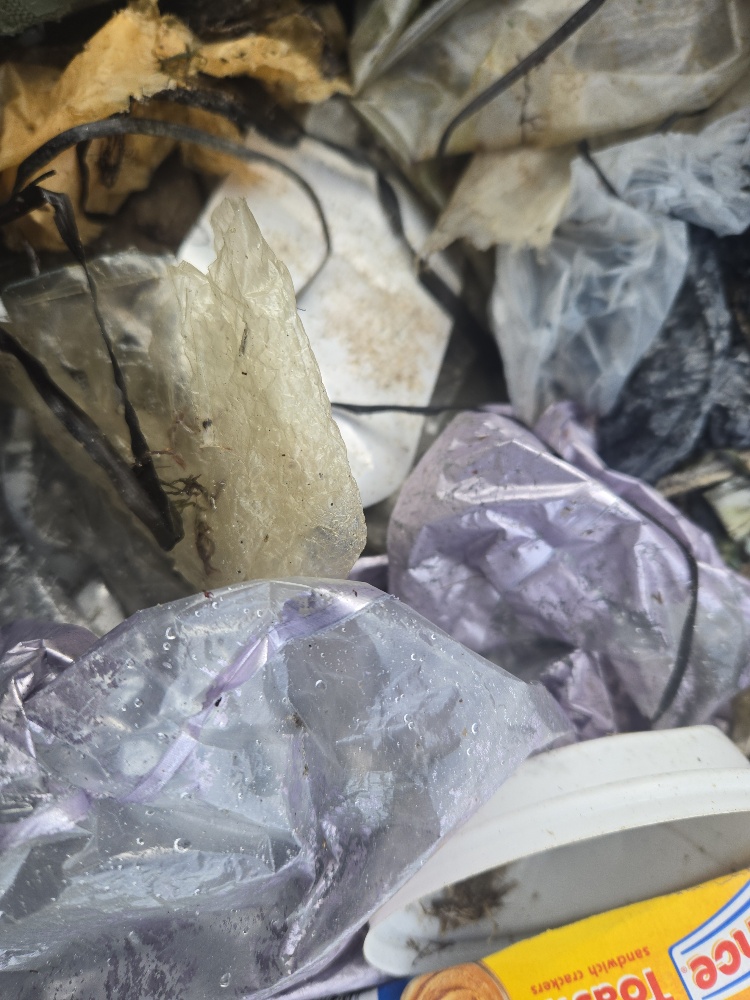
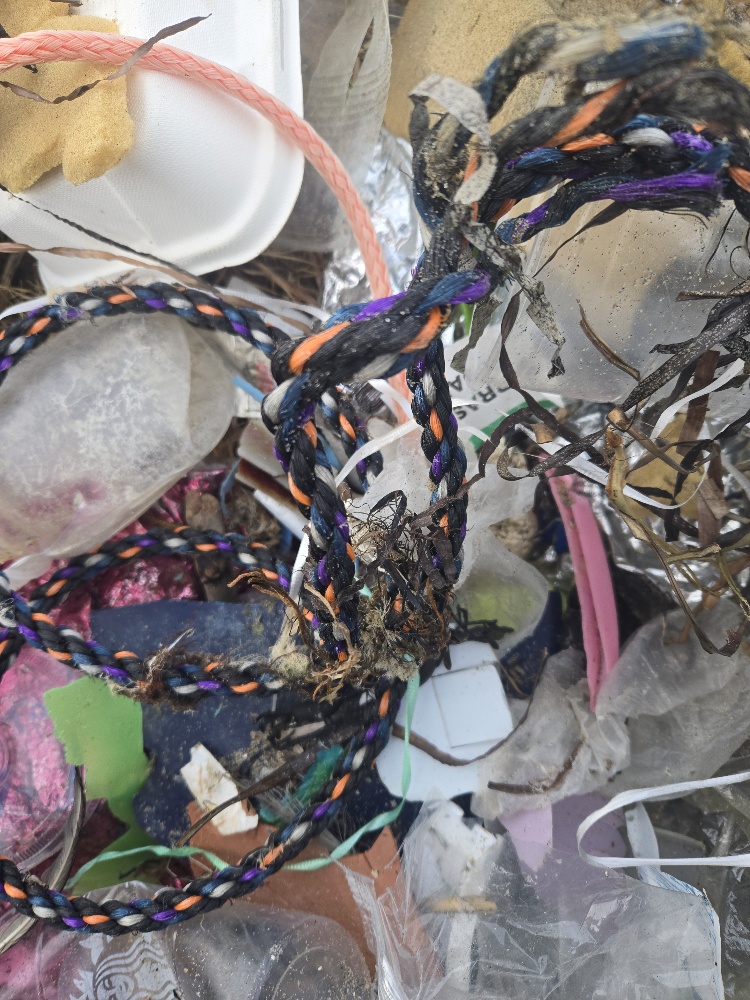
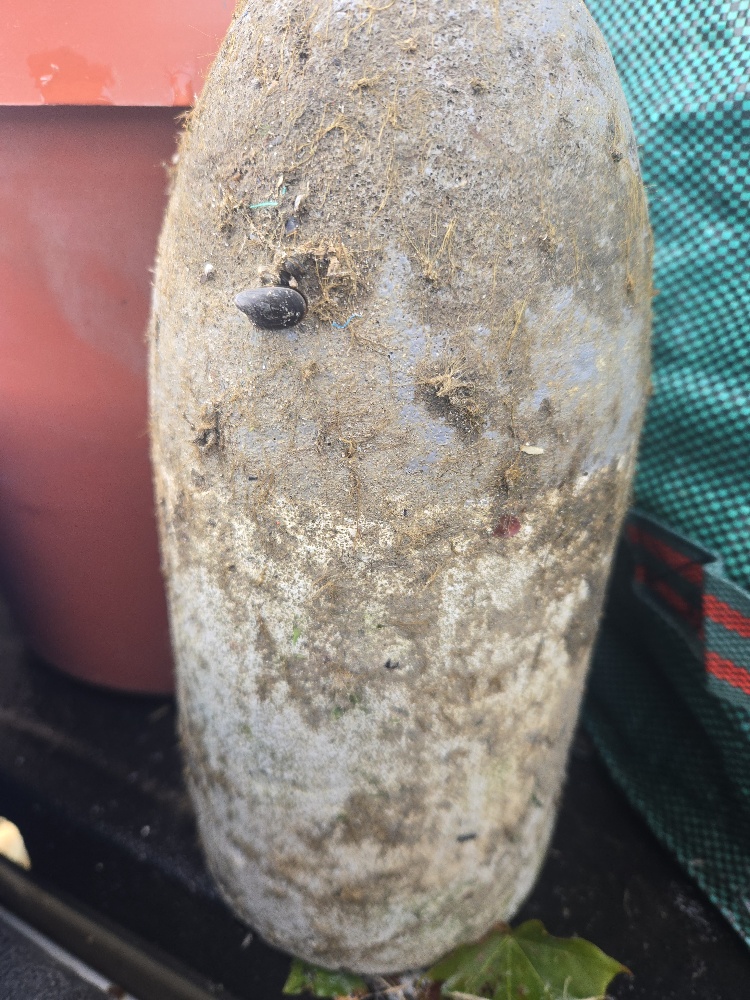
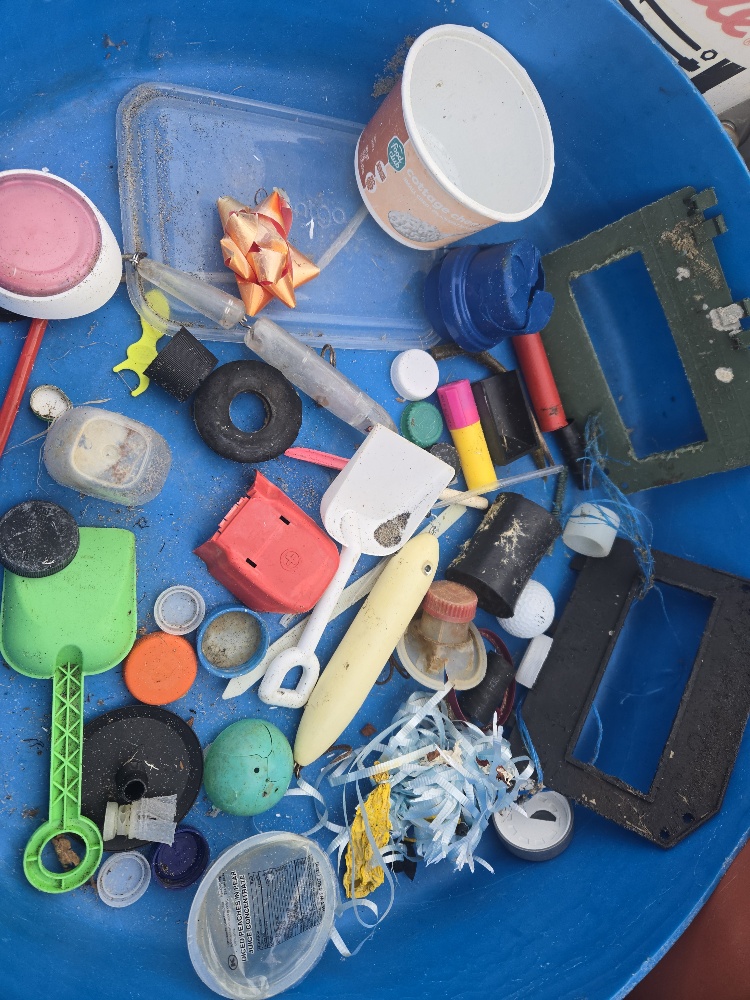
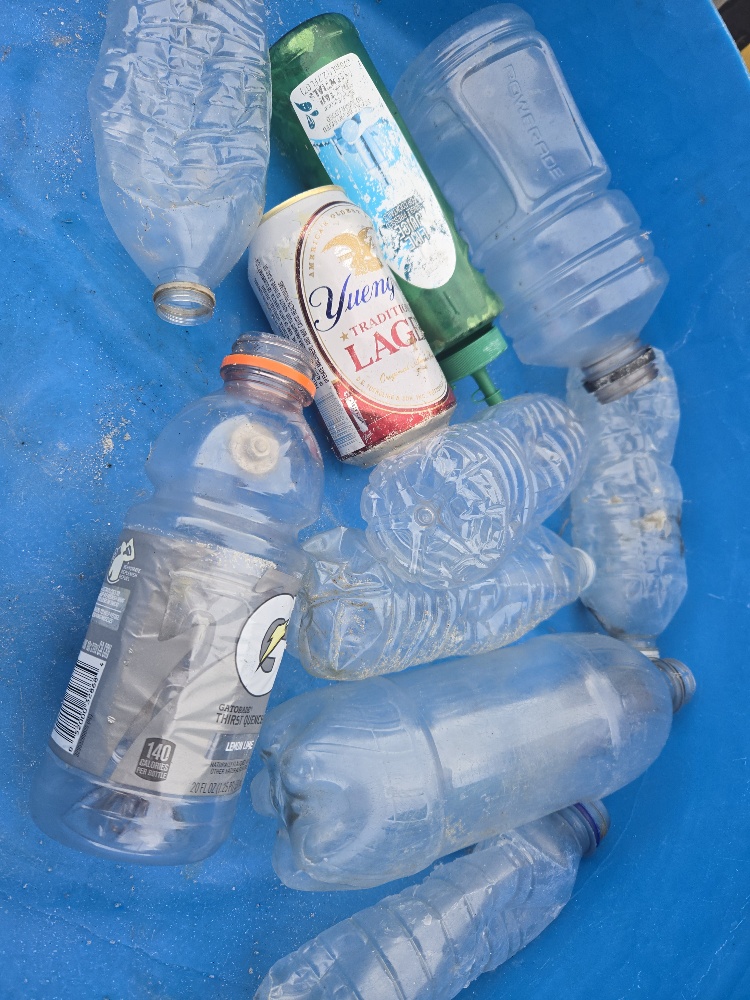
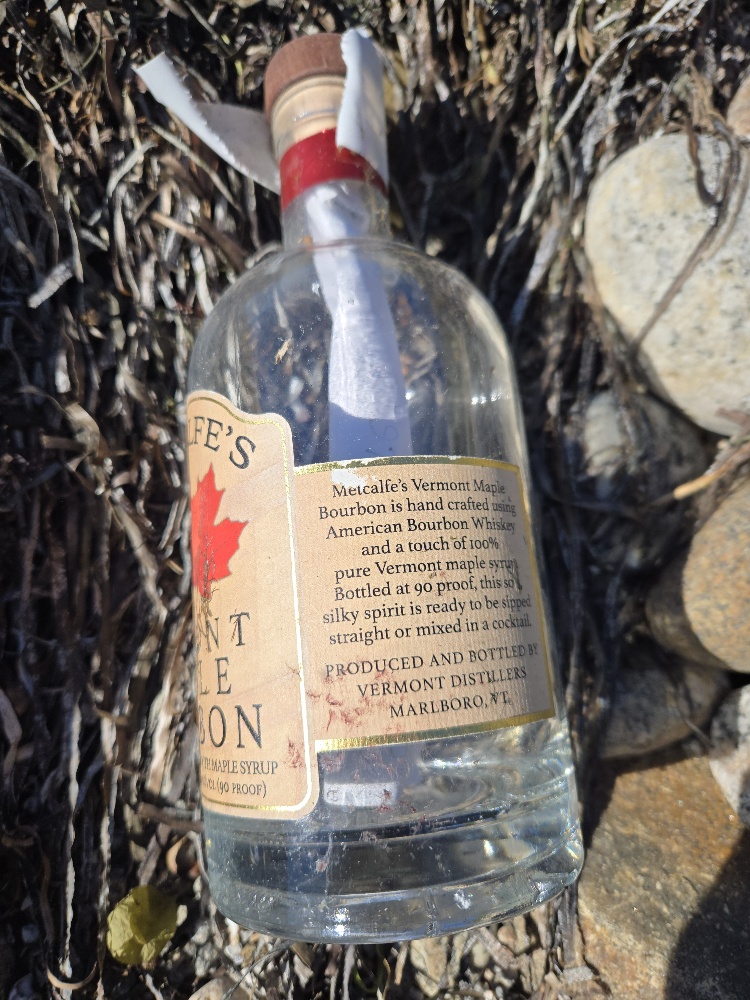
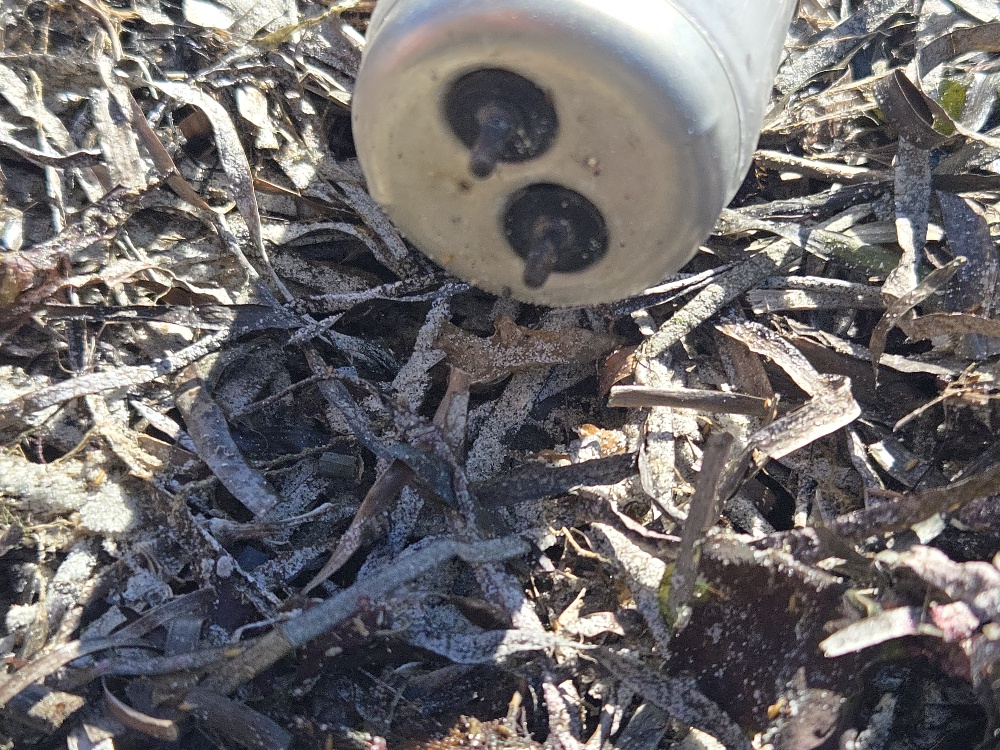
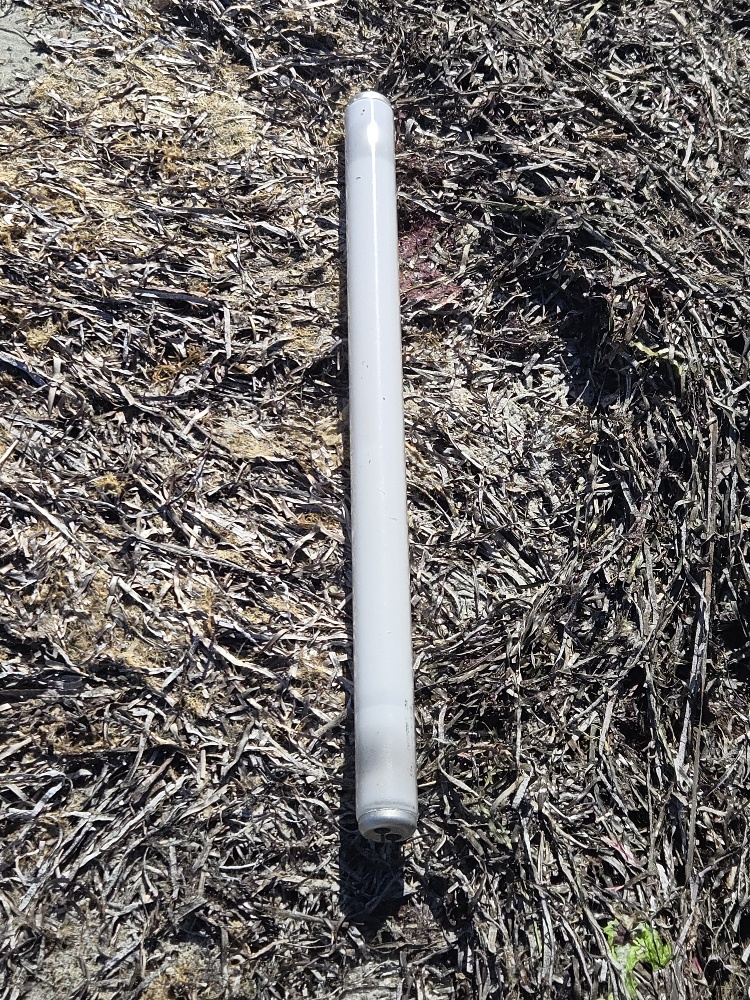
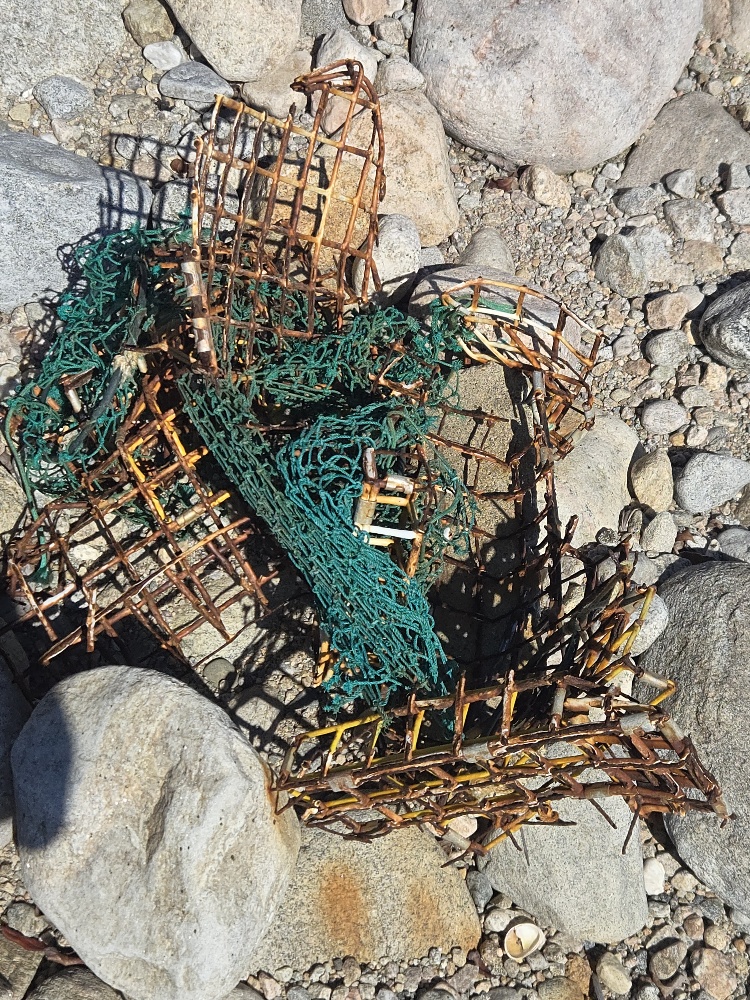
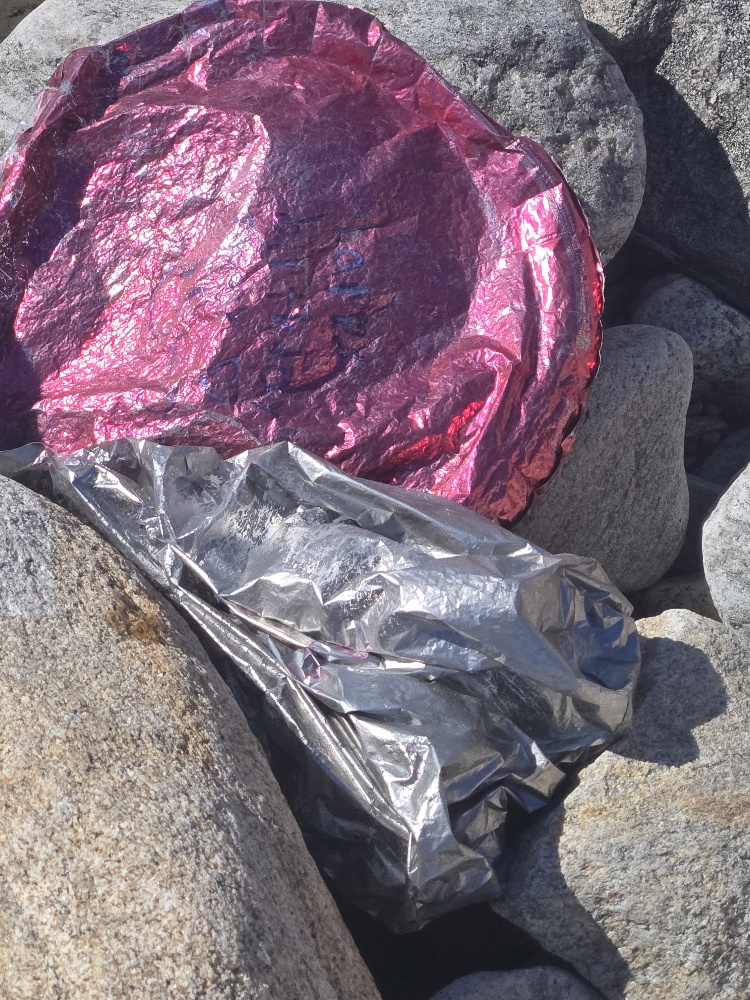
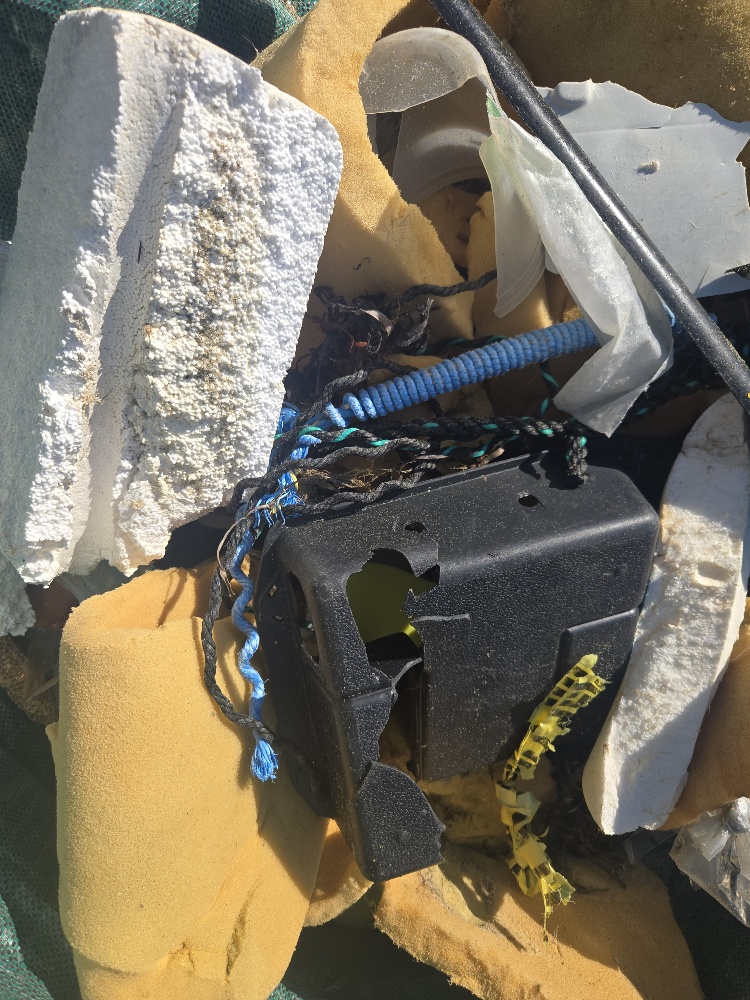
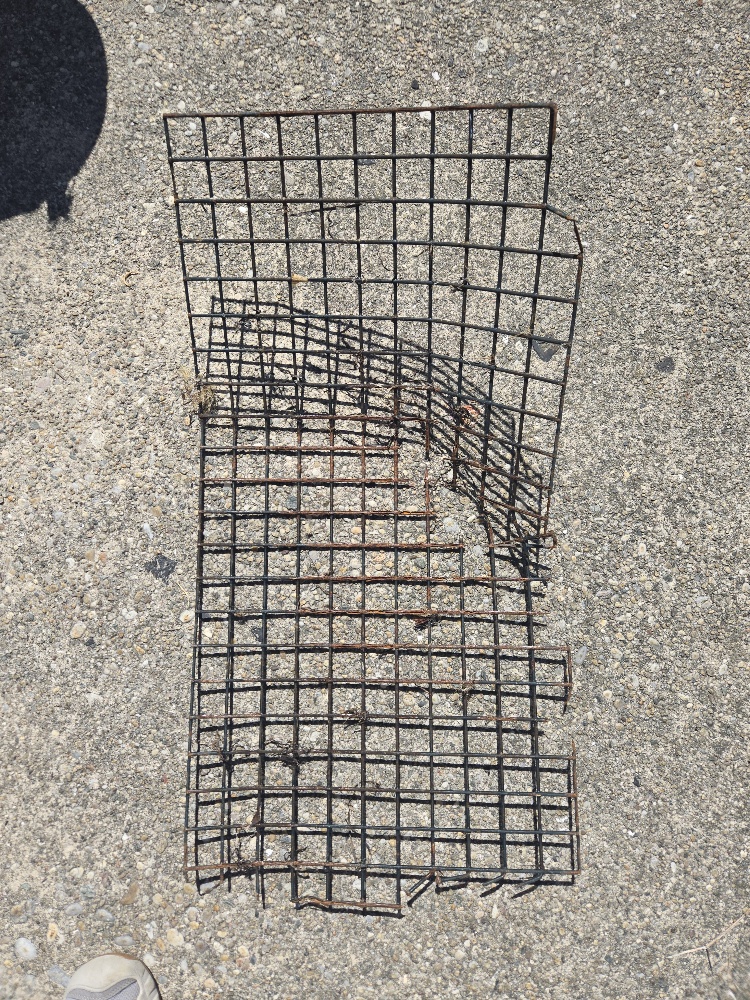
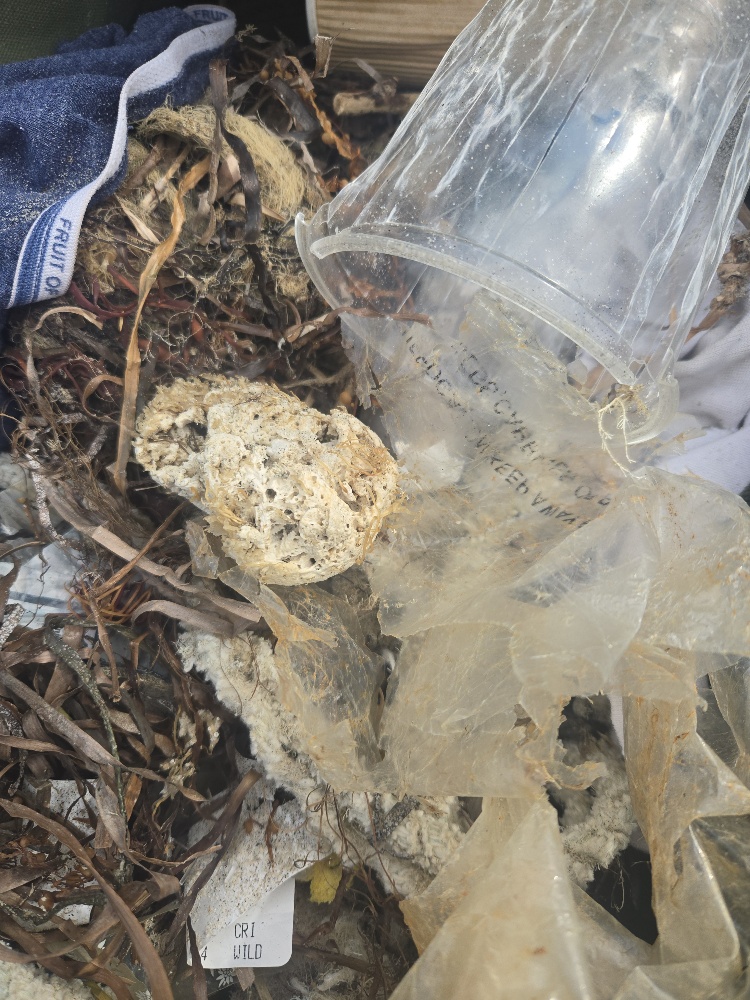
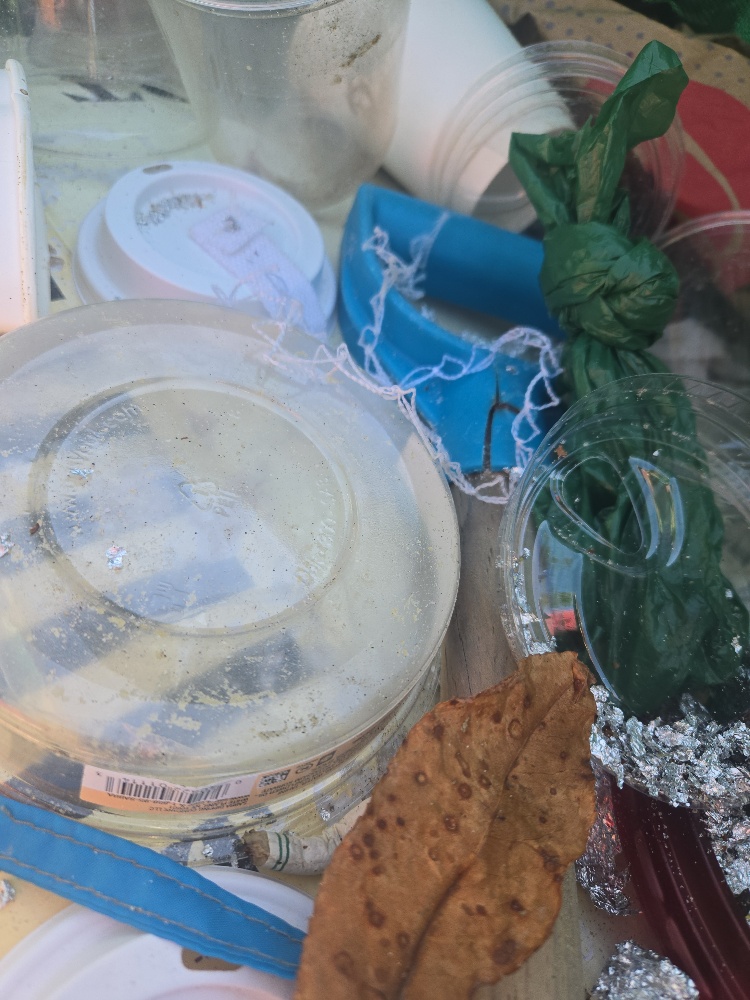
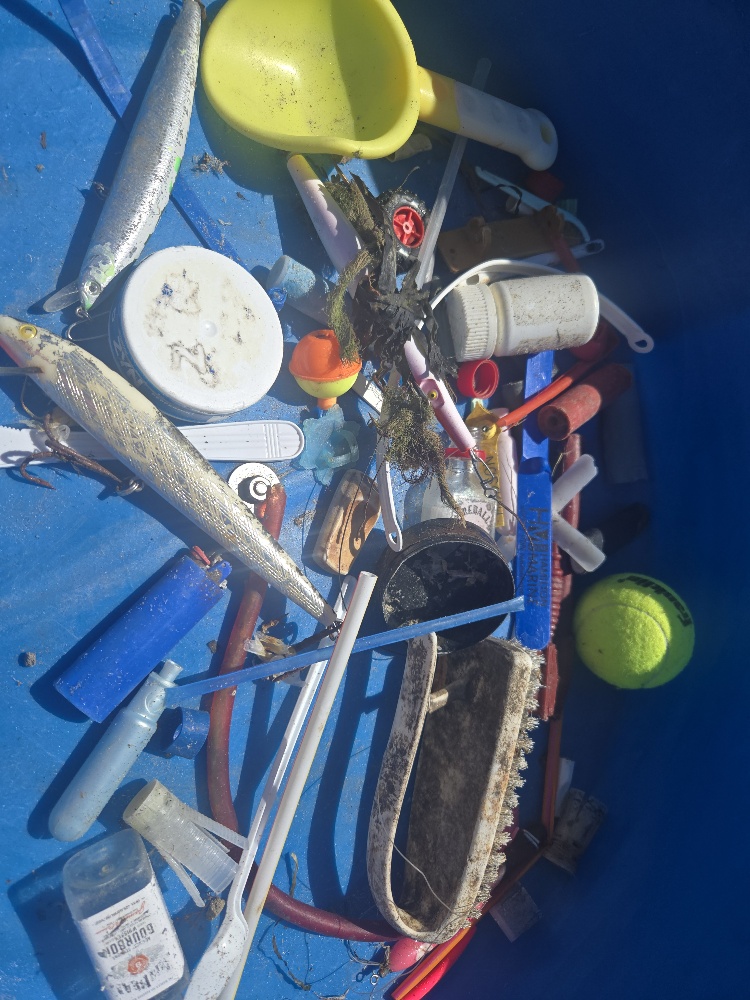
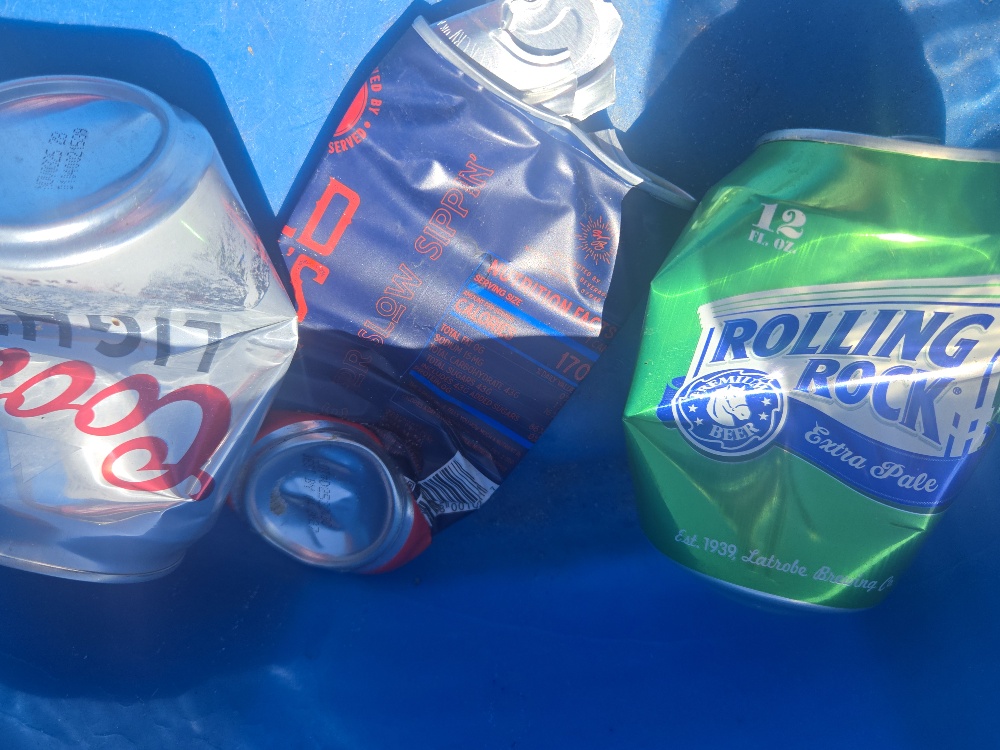
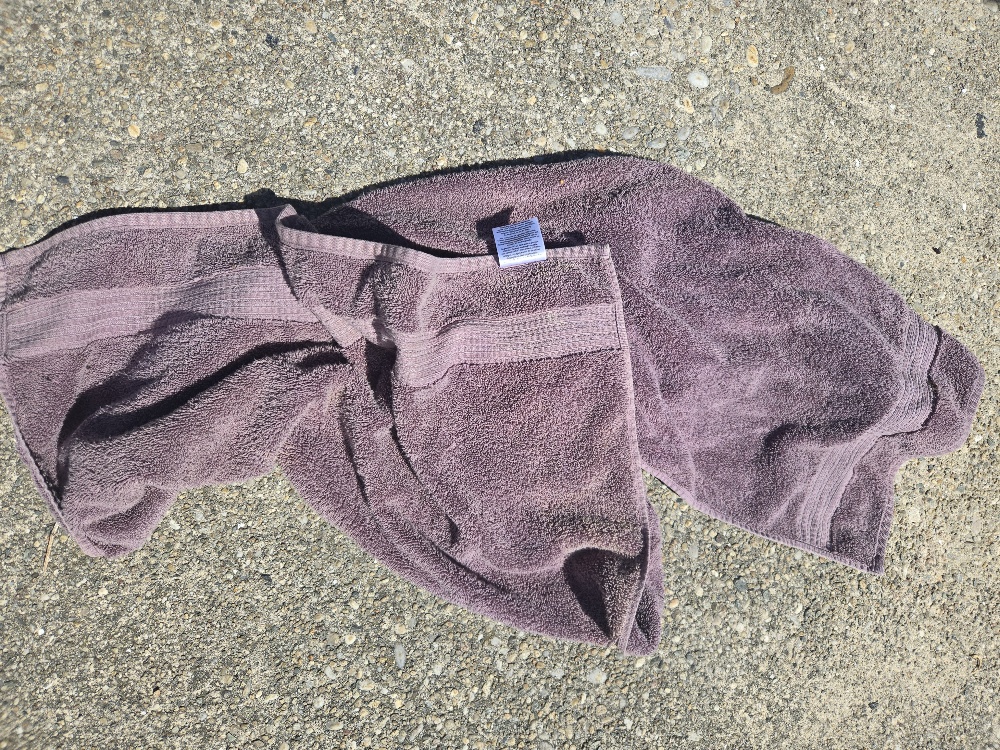
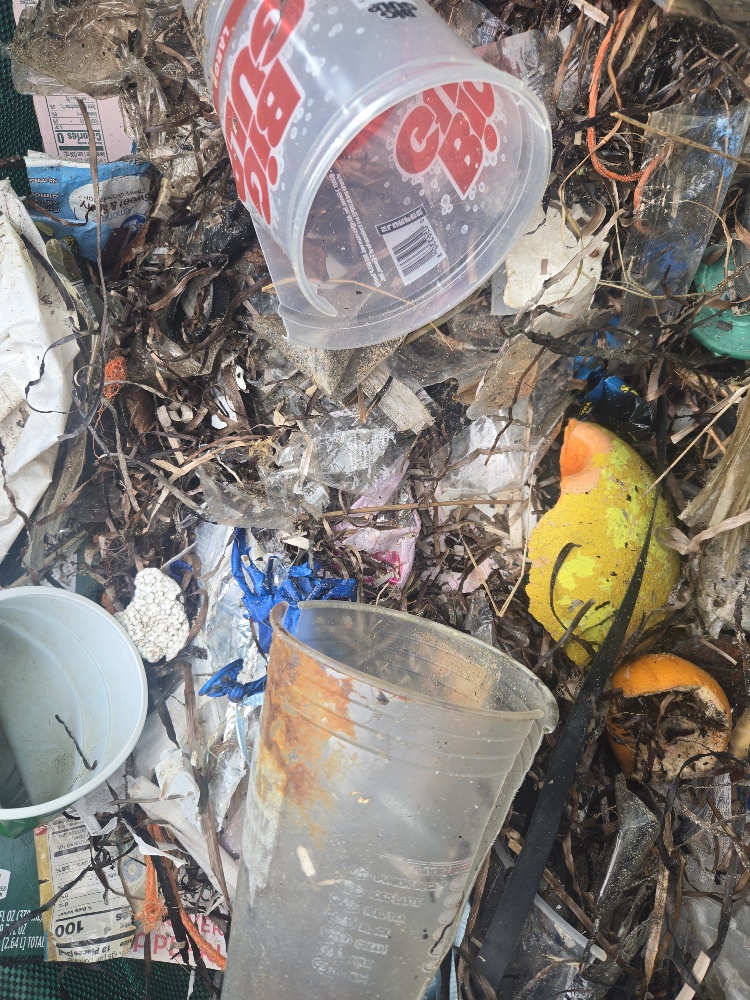
View the Marine Debris Gallery Below

October 1, 2025 173 views
Bird CountsCurrent EventsEventsFeatureNews

2025 Fall Migratory Bird Count Results

by Anna White September 23, 2025

  Announcing the Results of the Fall 2025 Migratory Bird Count

We are excited to share the results of this year’s Fall 2025 Migratory Bird Count. With the help of our wonderful volunteers, we recorded 41 bird species, which is right in line with the long-term average of about 40 species for the fall season.

This year’s count had some exciting highlights. A bobolink was recorded calling in flight over the Parade Grounds, and we saw more ruby-throated hummingbirds and northern harriers than in previous years. At the same time, a few species were noticeably absent, including yellow warblers, most sparrows aside from the song sparrow, and the swallows that are usually common on the island.

The slightly lower number compared to last year’s 45 species and 50 species in 2023 may be explained by a few different factors. As many participants noted, the season felt quieter overall, since birds are less vocal during fall migration than they are in the spring. Weather and climate patterns also play a role. Prolonged summer temperatures, drought in New England, and the effects of El Niño across North America can all influence when different species decide to move south.

In addition to the official count, we also kept a running count throughout the weekend, which brought our total up to 52 species. Beyond the birds, we recorded around 26 monarch butterflies and were greeted by fields of goldenrod, both promising signs of migration still to come.

One of the best parts of this year’s event was the community that came together! We were thrilled to welcome 13 participants on Saturday, which was our largest turnout yet. Thank you to everyone who joined us and brought such energy and enthusiasm to the day. And to our regulars who couldn’t make it this year, you were missed!

Why Bird Counts Matter

Annual bird counts give us a chance to connect with nature while also helping us better understand the rhythms of migration and the health of our local ecosystems. Each year of observations adds to a long-term record that supports conservation efforts and deepens our appreciation for the island’s biodiversity.

Here is the list of species we encountered in our Fall 2025 Migratory Bird Count.

Fall 2025 Bird Count
American crow
American goldfinch
American kestrel*
American robin
Bald eagle*
Baltimore oriole
Black-and-white warbler
Black-capped chickadee
Blue jay
Bobolink
Brant*
Canada goose*
Carolina wren
Cedar waxwing
Common eider
Common raven
Common tern*
Common yellowthroat
Double-crested cormorant
Downy woodpecker
Eastern phoebe
Eastern towhee
European starling
Gray catbird
Great black-backed gull*
Great blue heron
Great-crested flycatcher
Great egret
Green heron
Herring gull
House wren
Laughing gull*
Mallard*
Mourning dove
Mute swan
Northern cardinal
Northern flicker
Northern harrier
Northern mockingbird
Northern parula
Osprey
Palm warbler
Pine warbler*
Red-bellied woodpecker
Rock dove*
Ruby-throated hummingbird
Snowy egret*
Song sparrow
Tufted titmouse
Veery
White-breasted nuthatch
White-eyed vireo

September 23, 2025 173 views
Current EventsEventsFeatureNews

Fall 2025 Migratory Bird Count

by Anna White September 15, 2025

Join us for our annual Fall Migration Bird Count!

Event Details:
Date: Saturday, September 20th
Time: 8:00 AM
Location: Community Center

We’ll begin the morning at the Community Center at 8:00 AM before heading out to count.

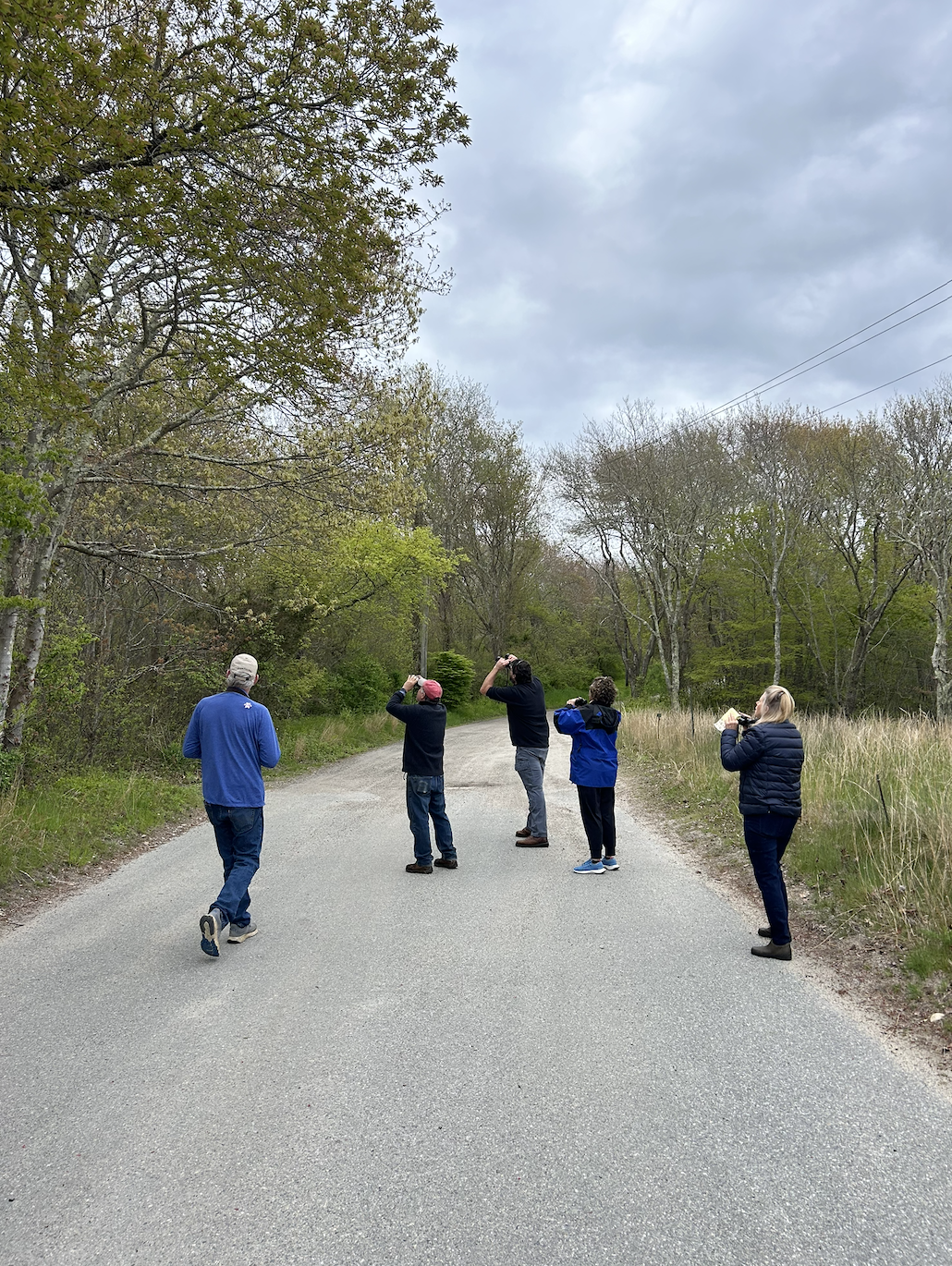
Please come prepared for a long walk, and remember your binoculars!

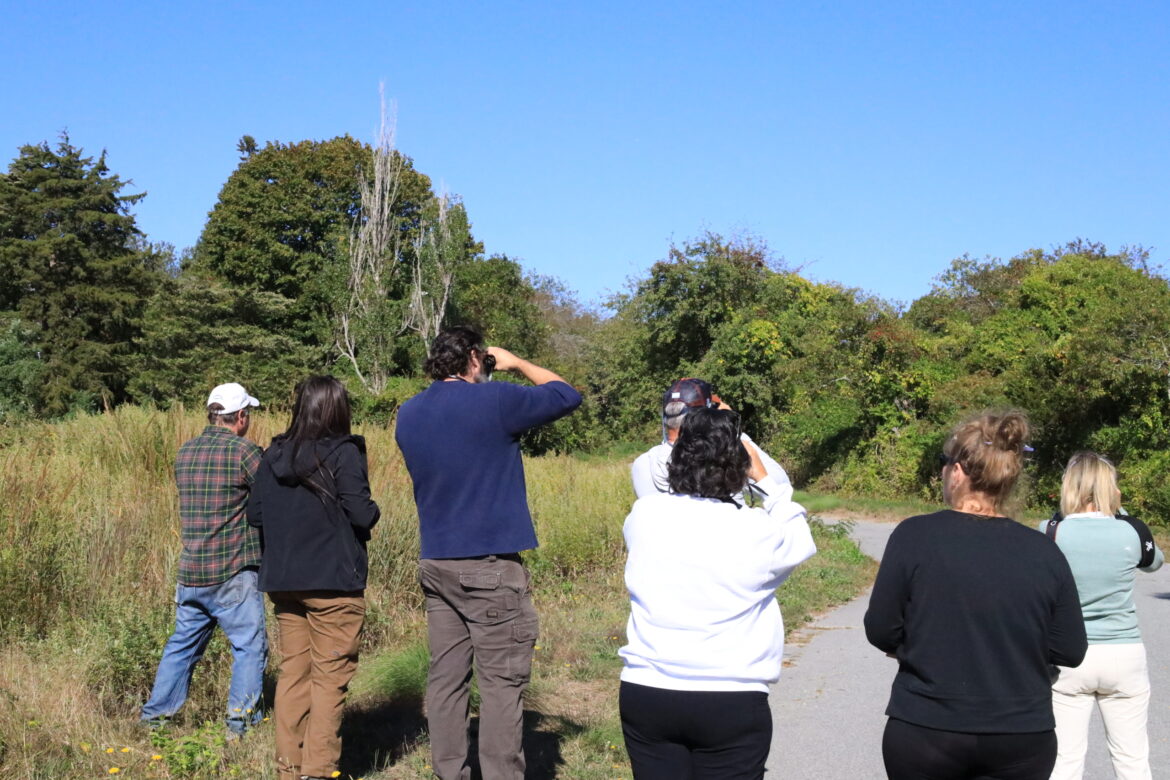
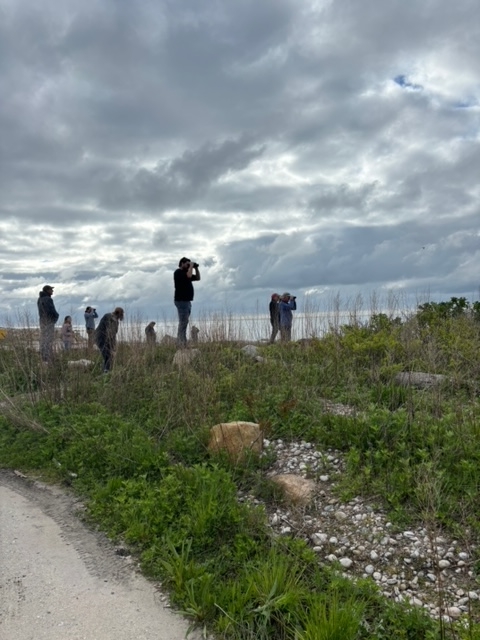
Following Audubon bird count guidelines, participants will stop 15 times along the route from the West End to the East End of Fishers Island. Each stop will last five minutes, during which birders will identify and call out the species they see. Our knowledgeable team will guide the group and be available to answer questions along the way.

Fishers Island is an amazing place for birdwatching during fall migration. Situated on the Atlantic Flyway, the island provides an important resting place for birds traveling from northern breeding grounds in Canada to their southern wintering habitats. By late September, our local summer residents begin to move on, while many migratory species pass through overhead.

Whether you’re a seasoned birder or new to the activity, this is the perfect chance to experience the diversity of birds moving through the island during their fall journey!

Last year, despite a high-pressure system that limited activity, we observed 45 species which was well above the average of 39.9 species recorded in previous fall surveys.

September 15, 2025 145 views
Marine Reports

Marine Debris September 2025

by Anna White September 1, 2025

Marine Debris Report
September 2025

Collected across island beaches
Total weight: 931  lbs | Total hours: 166.5
~ Michele Klimczak

DATEZONELOCATIONWEIGHT (LBS)HOURS
9/1/2025E4Latimer Light beaches & Eighth Hole over rocks386.5
9/2/2025E4Castle Rd Beaches to behind Money Pond beaches448
9/4/2025N1Airport beaches, Ordinance, Silver Eel Cove, Ferry Park, Little Stony, Holiday House, and Hay Harbor368
9/5/2025S2Wilderness Point through Isabella beaches, Secrete Beach + Vikings End688.5
9/6/2025S2Race Rock, Sanctuary of Sands, South Beach, stopped before Wilderness Point266.5
9/8/2025S3Chocomount Cove beaches through behind Webbles, beach before Big Club528.5
9/9/2025N5Chocomount Cove beaches to end of Hungry Point beaches497.5
9/10/2025E4Latimer Light beaches past Eighth Hole over rocks397
9/11/2025E4Castle Rd beaches to behind Money Pond467.5
9/12/2025N6North Hill beaches to Dock Beach, Brick Yard Rd through Clay Point Rd528
9/14/2025N1Airport beaches to Ordinance Ferry Park to Silver Eel Cover to Little Stony336.5
9/15/2025S2Wilderness Point to Isabella to Secret beach578.5
9/16/2025S2Race Rock beaches, Sanctuary of Sands through all of South beaches up to Wilderness Point397.5
9/17/2025S3Chocomount beaches to behind Webbles beach before Big Club488
9/20/2025N5Chocomount Cove beaches through Hungry Point beaches326.5
9/22/2025E4Latimer Light to East Harbor397
9/23/2025E4Castle Rd beaches to behind Money Pond over golf course469
9/24/2025N6North Hill beaches, Dock, Brick yard Rd to Clay Point Rd beaches438
9/25/2025Raining- Sorting in shed04
9/26/2025N1Airport beaches to Ordinance Ferry Park to Silver Eel Cover to Little Stony to Holiday House Beaches468.5
9/29/2025S2Race Rock, Sanctuary of Sands, Wilderness Point429
9/30/2025S2Vikings End, Isabella, Secret beach568

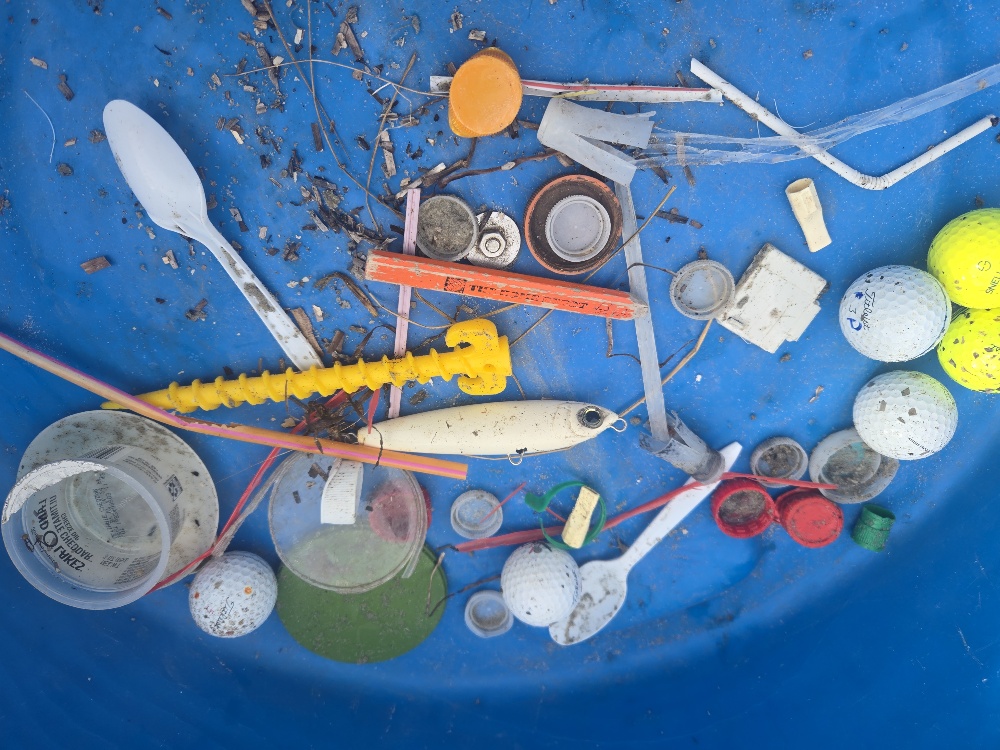
View the Marine Debris Gallery Below

September 1, 2025 157 views
Current EventsEventsFeatureFIRSTNews

FIRST Summer Highlights 2025

by Anna White August 29, 2025

The Fishers Island Research and Survey Team (FIRST) wrapped up another busy season of fieldwork this summer. From clearing invasive plants to tracking bats and shorebirds, the team balanced hands-on stewardship with data collection. Their efforts not only improved island habitats right now, but also gathered the kind of information that will guide conservation decisions for years to come.

Much of the data collected this season is still being processed, and FIRST will spend the winter months digging deeper into the results. In the meantime, here’s a look back at what they accomplished this summer.

Invasive Plant Removal

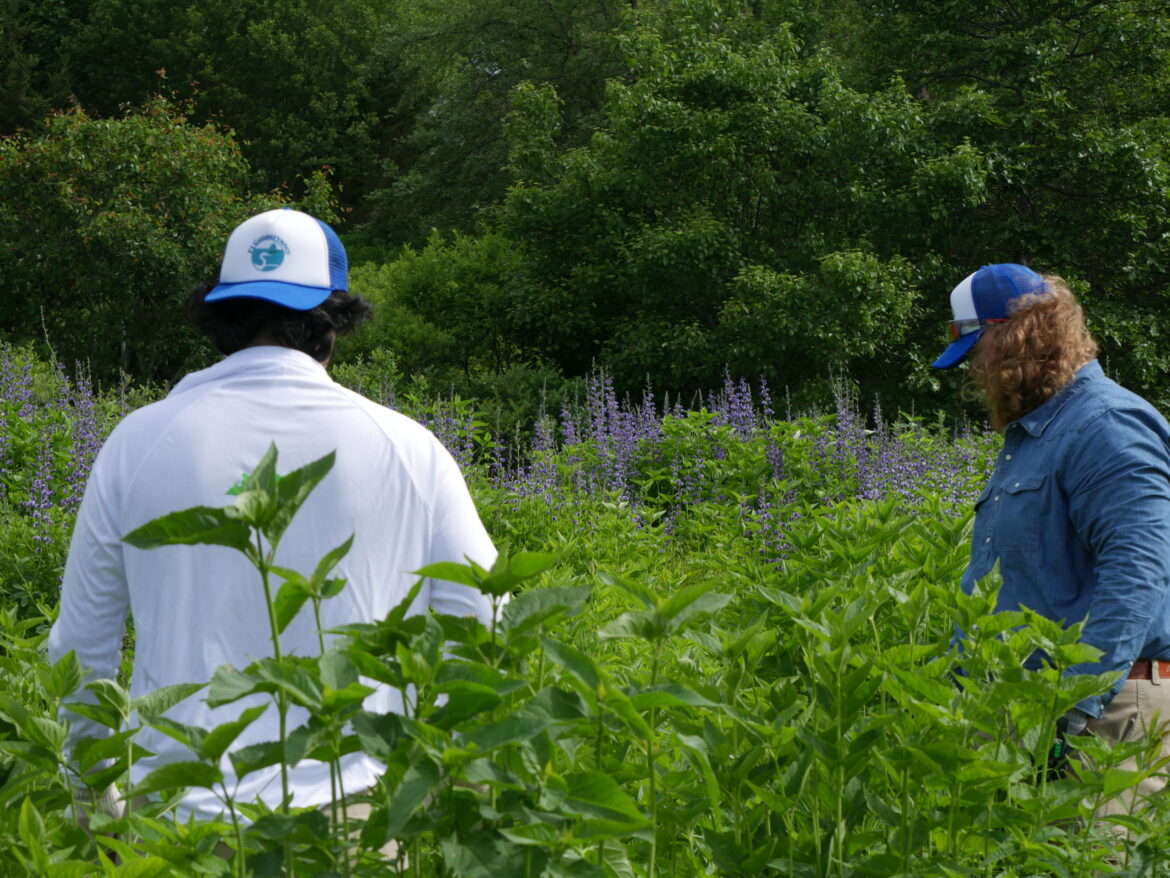
FIRST tackled invasive plants at priority sites across the island, removing the equivalent of eight truckloads of material. Clearing these dense patches gave native plants more room to grow, opened space for natural regeneration, and boosted the overall health of our island’s ecosystems.

Biodiversity Surveys

To understand what species call the island home and how things are changing over time, FIRST surveyed 25 transects of Conservancy land. They set 125 plant plots, 250 pitfall traps, and 125 insect vacuum samples. This wide-ranging effort gives us a clearer picture of the island’s plants and insects and lays the groundwork for long-term monitoring.

Listening for Bats

For seven weeks, bioacoustic monitors recorded bat activity at sites across Fishers Island. The team identified five species, including the Tri-colored Bat and the Northern Long-eared Bat, both listed as threatened or endangered. These findings show that the island plays an important role as habitat for vulnerable bat populations.

Bluebird Boxes

Nest boxes were checked weekly throughout the season. Tree Swallows were the primary occupants, and the monitoring helped measure how successful the boxes are as breeding sites. These results will help guide future improvements for nest box programs on the island.

Insects and Knotweed

At nine sites dominated by invasive knotweed, FIRST collected insect samples both before and after mowing. Comparing the two sets of samples will show how insect communities respond to habitat disturbance, giving us insight into how management affects biodiversity in these tough areas.

Building an Insect Collection

The team also processed and identified insect data from the 2024 season and continued building a reference collection. Over time, this catalog will be an invaluable tool for confirming species, studying biodiversity, and tracking changes across the island.


Beyond FI Conservancy work, FIRST students gave back through hands-on projects around Fishers Island, contributing a total of 186 hours of service.

They spent 7.5 hours working with Pollinator Pathways, removing invasives and caring for these community spaces. They dedicated 3 hours to cleaning up the Movie Theater area. At Ferry Park, they put in 18.5 hours removing mugwort, clearing vegetation along the path, and watering newly planted Black Gum trees.

The 2025 season highlighted how much can be accomplished when science and stewardship go hand in hand. While the fieldwork is complete, the story isn’t over… FIRST will continue analyzing this summer’s data through the winter, turning field observations into long-term insights.

Thank you to these students for their energy and commitment, and to the community for supporting this work. Together, we can make sure our habitats and wildlife remain healthy for the future!

August 29, 2025 158 views
Current EventsEventsFeatureNewsShorebirds

Shorebirds Take Flight- The 2025 Season Wrap-Up

by Anna White August 29, 2025

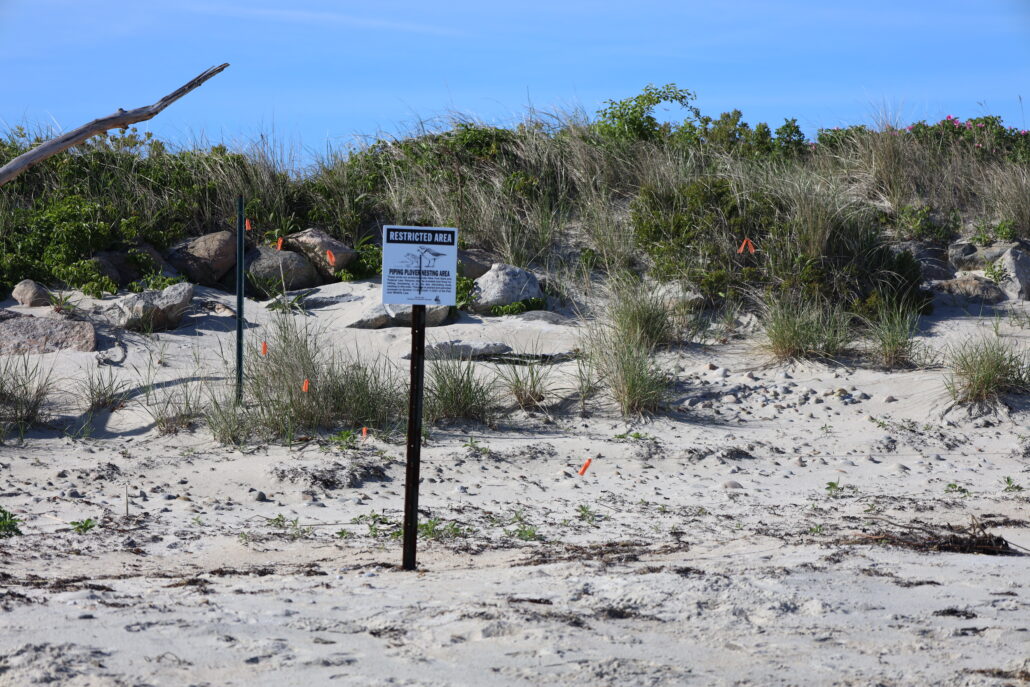
September is here and the 2025 shorebird season on Fishers Island has officially wrapped up. We have now seen all of our Piping Plover chicks fledge and move on, and the protective fencing that marked our nesting areas has been taken down for the year. Our Least Terns also completed their nesting season, contributing to another busy summer of coastal bird monitoring.

This season was a success in that fledglings were produced at multiple sites, but overall productivity for Piping Plovers averaged 1.4 fledglings per pair, which is lower than the 2.0 fledglings per pair recorded in 2024. Even with protective measures in place, success rates can shift from year to year due to a combination of natural factors and management challenges. Importantly, Fishers Island’s productivity remains higher than both New York State and U.S. averages. In our region, a rate of 1.2 to 1.5 fledglings per pair is considered stable or above average, which means our beaches continue to serve as an important stronghold for plovers. For more on piping plover conservation in New York, visit the NYSDEC Piping Plover page.

2025 Results by Site

At one of our secluded sites near Isabella beach (Secret beach), one plover pair nested and produced four eggs. Three hatched and one chick fledged.

Big Club beach, which was active last year, had no plover activity in 2025.

East beach had one pair that laid four eggs, but none hatched.

Eighth Hole continued to be one of the most productive sites, with one pair attempting two nests. Four chicks hatched there and three fledged.

Stony beach remained inactive.

South beach had, two pairs nested and three chicks fledged, though productivity per pair was lower than last year.

Altogether in 2025, Fishers Island hosted five plover pairs across its beaches. At least twelve eggs were laid, ten chicks hatched, and seven fledged.

The Role of Fencing and Management

Fencing played a key role in protecting nesting areas from disturbance. By keeping people and dogs away from sensitive stretches of beach, fencing gave both plovers and terns a chance to incubate eggs and raise their young with less interference. At the same time, fencing can sometimes bring unintended challenges. Protective structures may draw attention to nests and even attract predators. While fencing is necessary for protection, these subtle dynamics may help explain why plover productivity was lower this year than in 2024. With the season complete, all fencing has now been removed until next year.


Looking Back at 2024

The 2024 season produced stronger results overall for plovers.

At Secret beach, two pairs attempted nesting but outcomes were unknown.

Big Club beach hosted one pair that fledged one chick.

East beach was inactive.

Eighth Hole was the standout, with one pair successfully raising all four of its chicks to fledging.

Stony beach was inactive.

South beach had one pair that fledged three chicks.

In total, 2024 produced five plover pairs, twelve eggs, and eight fledged chicks, for an overall productivity of 2.0 fledglings per pair.

Least Terns also nested successfully in 2024, with multiple pairs using beach habitat and producing young.

Takeaways

Comparing the two years highlights both the successes and challenges of shorebird conservation. Eighth Hole and South beach remained the most productive plover sites, though their outcomes shifted slightly between years. Big Club beach was active in 2024 but not in 2025, while East beach showed activity this year but no successful hatching.

Looking Ahead

By late July and August, both Piping Plovers and Least Terns begin leaving their nesting beaches, with most gone by early September as they head to wintering grounds further south. With the season now closed, we turn our attention to preparing for next year.

Next year will mark our third season working in partnership with the New York State Department of Environmental Conservation. We plan to continue improving our program by strengthening monitoring, refining protection measures, and finding new ways to involve the community in conservation!


Stay tuned for next season as we continue to grow this effort, with the shared goal of protecting shorebirds and the habitats they depend on.

If you have questions or want to get involved, feel free to reach out at annarwfic@gmail.com.

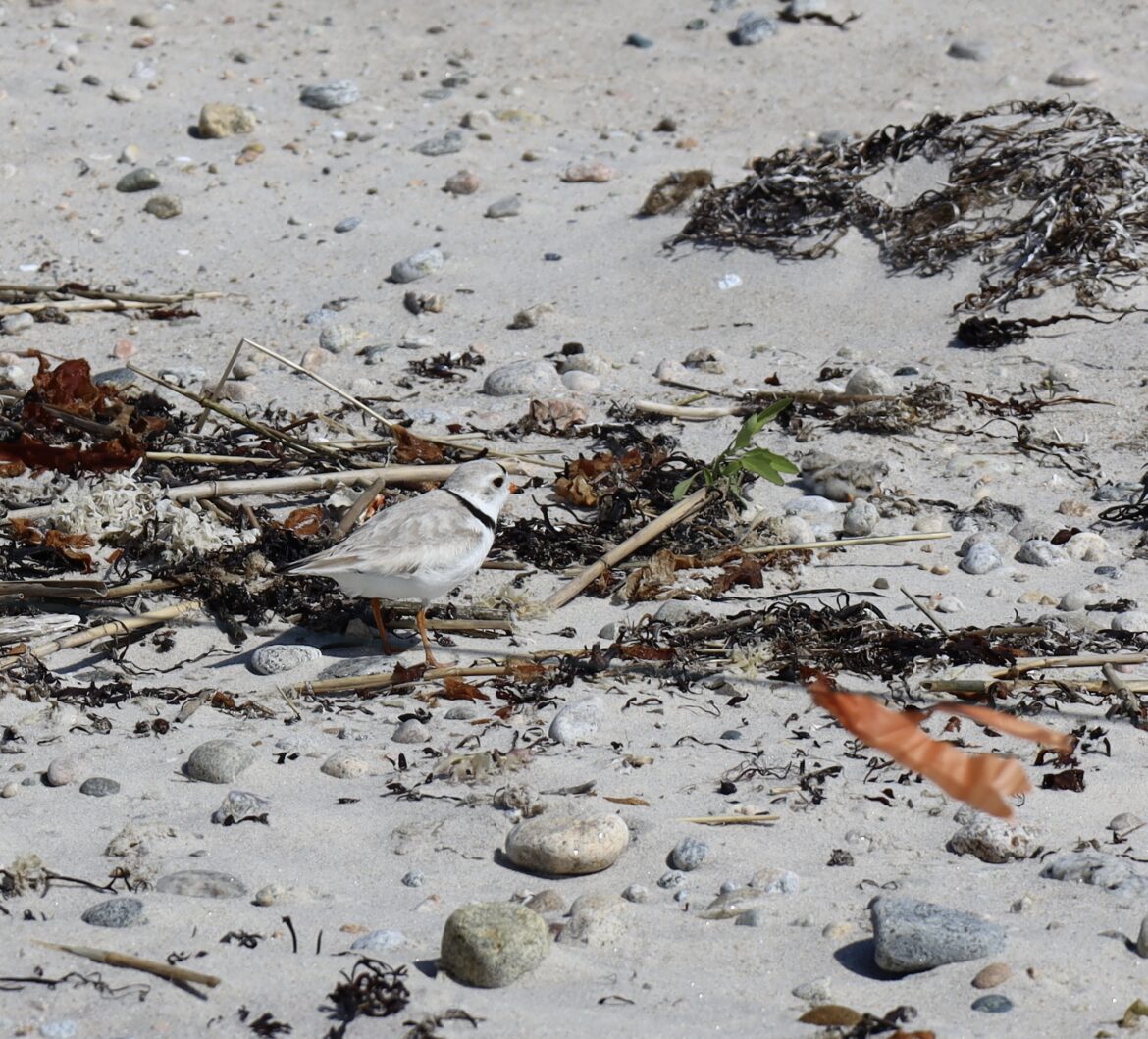
Featured photo by Larry Auger

August 29, 2025 209 views
Current EventsEventsFeatureNews

Buzz Be Gone- Final Spray of the Season

by Anna White August 29, 2025

On August 29th, the Conservancy welcomed the Suffolk County Vector Control team back to the island for their final mosquito control spray of the season. With dry weather and little rain in recent weeks, mosquito larvae numbers have been lower than usual. Still, the team conducted their scheduled spray to ensure community health and comfort.

During their visit, Vector Control staff collected water samples to check for mosquito larvae. Some were found in small pockets of standing water, particularly in items like buckets left outdoors where rainwater had collected. Examining these samples provided an important reminder: mosquitoes can breed in even the smallest amounts of standing water.


This shallow pool of water shows the kind of environment where mosquitoes thrive. Female mosquitoes lay their eggs on still water, and larvae hatch and develop there. While Suffolk County Vector Control monitors natural wetlands, in backyards the biggest problem often comes from containers like buckets, flowerpots, clogged gutters, and even bottlecaps.
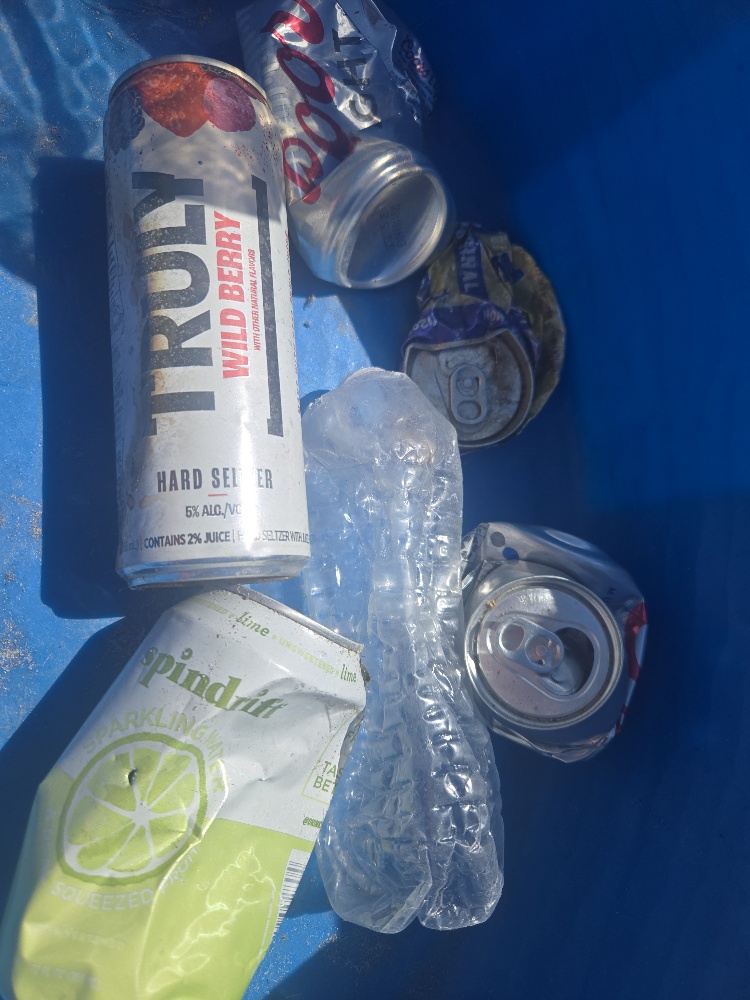
Community tip: Empty and scrub containers that collect rainwater! This is one of the easiest and most effective ways to help stop mosquitoes before they start.

In this dipper sample, you can see mosquito larvae (sometimes called “wigglers”). They spend their early life in water, feeding on organic matter and surfacing to breathe. By sampling larvae, Vector Control can determine where mosquitoes are breeding and act early to prevent them from maturing into biting adults.

Here, a Vector Control specialist applies a treatment using a backpack sprayer. Suffolk County uses targeted, EPA-approved methods that include:

Larvicides (such as Bti, a natural bacterium) placed in standing water to eliminate larvae before they mature.
Adulticides sprayed in dense vegetation, where adult mosquitoes rest during the day, to reduce populations during peak biting season.

These methods are carefully managed to minimize impacts on non-target species while protecting public health.


The Suffolk County Vector Control team plays a critical role in keeping Fishers Island safe and comfortable during mosquito season. Their expertise, combined with community action (like reducing standing water) creates the best defense against mosquitoes.

We are grateful for this partnership and for the continued efforts to protect both our health and our environment.

To learn more about Suffolk County Vector Control’s work and methods, visit their official website.
August 29, 2025 146 views
Newer Posts
Older Posts

Upcoming Events

Notice
There are no upcoming events.
Keep in touch

Facebook Instagram Youtube

Recent Posts

  • June 2026 Breeding Bird Count

  • What to Do if You Find a Stranded Animal

  • Update on Phragmites Work and New Wetlands Regulations

  • SPOTTED in New London!

  • 2025 Fall Migratory Bird Count Results

  • Fall 2025 Migratory Bird Count

  • FIRST Summer Highlights 2025

  • Shorebirds Take Flight- The 2025 Season Wrap-Up

  • Buzz Be Gone- Final Spray of the Season

  • Silver Eel–Race Point Coastal Trail Opens with Dedication to Janet Harvey

Explore

    • Home
    • Who We Are
    • What We Do
    • How To Help
    • News
    • Events

Connect

    • Join Us
    • Donate
    • Contact Us
Facebook Instagram Youtube
© 2026 All Right Reserved. Fishers Island Conservancy
Fishers Island Conservancy
  • Home
  • Who We Are
    • Our Mission
    • Our History
    • Our People
    • Contact Us
  • What We Do
    • Shorebird Monitoring
    • Annual Bird Counts
    • Marine Debris Clean Up
    • Island Sentinels
    • Research and Survey Team
    • Grassland Restoration
    • Mosquito Control
    • Invasive Plant Management
  • How To Help
    • Donate
    • Join Us
  • News
  • Events
    • Calendar